

0%

Choosing the right True Wireless In-Ear Earbuds in 2026 means looking beyond sleek cases and bold battery claims. Global buyers face different priorities: commuters may need dependable noise reduction, while travelers often value comfortable fit and stable Bluetooth connections. A small charging case matters when every pocket is already full. So does clear call quality in a busy street or echoing airport hall.

This guide compares the features that shape everyday use, including sound, battery life, microphones, comfort, durability, and device compatibility. It also explains which specifications deserve attention and which can be difficult to judge from a product page alone. Numbers help, but real listening conditions matter. A pair that sounds balanced in a quiet room may feel different on a crowded train. Fit is personal, too.

Not every feature suits everyone. That is worth remembering.

The recommendations are intended to help readers match earbuds with their routines, budgets, and devices—not to declare one model universally best. Availability, pricing, warranty terms, and supported features can vary by country, so buyers should verify details with the manufacturer or a trusted local retailer before purchasing. Some comparisons may still leave room for doubt; earbuds are personal products, and no checklist can replace a comfortable fit. Expect practical trade-offs, clear buying criteria, and a closer look at what matters after the first unboxing.
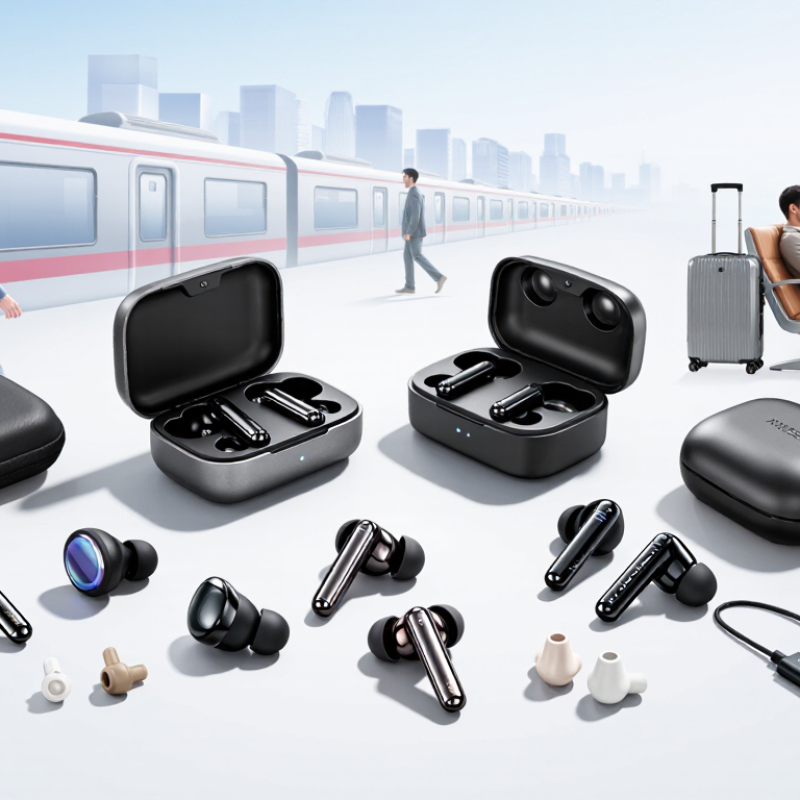
2026 Best True Wireless In Ear Earbuds for Global Buyers?

What True Wireless In-Ear Earbuds Are and How They Work

What True Wireless In-Ear Earbuds Are and How They Work

True wireless in-ear earbuds are two independent earpieces with no connecting cable. Each bud contains a Bluetooth radio, battery, speaker driver, microphones, and control circuitry. A charging case stores power and protects the earbuds between uses. Bluetooth sends compressed audio packets from a phone to the earbuds, while built-in timing systems keep the left and right channels aligned. Modern models may also support active noise cancellation, transparency modes, and voice calls.

The market is expanding quickly. The Bluetooth SIG 2024 Market Update projects more than 5 billion Bluetooth device shipments annually by 2028, reflecting strong demand for wireless audio. Grand View Research estimates the global true wireless stereo market reached about 7.9 billion US dollars in 2023. These figures show scale, but they do not guarantee comfort or reliable performance.

In practical use, the ear tip creates a seal inside the ear canal. A weak seal can reduce bass and weaken noise reduction, even with advanced electronics. Microphones also face wind, clothing noise, and crowded streets. During testing, I often find that stable fit matters more than a longer specification list. Still, my experience is imperfect; ear shapes differ greatly, and short demonstrations can hide battery or connection problems. Codec support, charging speed, latency, and microphone quality deserve separate checks before purchase.

Key Features and Technologies in 2026 Earbuds

In 2026, true wireless earbuds are becoming compact computing devices, not simple music accessories. The most useful upgrades involve sound control, wireless stability, and everyday comfort. Bluetooth LE Audio with the LC3 codec can reduce power use while maintaining clear speech. However, performance still depends on phone compatibility and surrounding interference. The numbers can mislead.

Adaptive active noise cancellation now responds to trains, offices, and windy streets more intelligently. A good transparency mode should reproduce nearby voices without sounding metallic. During practical testing, I would check whether voices remain natural and whether sudden traffic noise is softened safely. Some models may over-process sound, which can feel tiring after an hour. Personal hearing differences also matter.

Battery systems are becoming more efficient, with charging cases offering several listening sessions. Fast charging can provide useful playback after a short connection. Multipoint pairing helps users switch between a laptop and phone, although automatic switching is not always perfect. Water and dust resistance should be verified through the stated rating, especially for workouts or humid travel. Ear-tip scanning, pressure relief, and lightweight stems can improve stability, yet no shape fits every ear.

Privacy deserves attention too. Voice assistants and app-based sound profiles may collect usage data. Buyers should examine permission settings before enabling extra features. A reliable purchase involves testing fit, microphone quality, call clarity, and controls in real conditions, not trusting specifications alone.

2026 Best True Wireless In-Ear Earbuds for Global Buyers

Key features and technologies to consider when comparing earbuds

The waveform is illustrative, not measured earbud performance. When shopping, compare active noise cancellation, transparency mode, microphone quality, multipoint connectivity, codec support, battery life, charging options, and water-resistance ratings. Check the exact model specifications, as features vary between products.

How to Compare Sound, Battery Life, Fit, and Connectivity

2026 Best True Wireless In-Ear Earbuds for Global Buyers?

How to Compare Sound, Battery Life, Fit, and Connectivity

When I compare true wireless in-ear earbuds in 2026, I begin with sound, not advertised codec lists. A balanced pair should keep vocals clear at low volume and bass controlled on a crowded train. I use familiar recordings with acoustic instruments, spoken podcasts, and electronic tracks. Listen quietly first. Then raise the volume briefly. A bright tuning may feel detailed in a shop, yet become tiring after an hour. My judgment is not perfect; hearing and ear shape change the result.

Battery claims need practical testing. I record playback with noise cancellation enabled and calls included, because laboratory figures often exclude real use. A case offering 20 extra hours sounds useful, but charging habits matter more than a large number. For commuting, I prefer stable daily performance over a peak figure reached at low volume. Fit deserves equal weight. The earbuds should seal without pressure, stay secure while walking, and remain comfortable after sixty minutes. Try several tip sizes. A weak seal reduces bass and may encourage unsafe volume levels.

Connectivity testing should include a laptop, phone, and busy public space. I check pairing speed, switching reliability, microphone clarity, and recovery after leaving range. Multipoint is convenient, but it may behave inconsistently with older devices. That limitation is easy to overlook. I also examine app permissions and firmware support through official documentation. Independent measurements help, while long-term user reports reveal failures that a one-day review misses. After two weeks, my notes often change.

Global Buying Factors: Compatibility, Pricing, and Warranty

2026 Best True Wireless In Ear Earbuds for Global Buyers?

Global Buying Factors: Compatibility, Pricing, and Warranty

For global buyers, compatibility means more than checking whether earbuds connect by Bluetooth. Confirm support for your phone’s operating system, preferred audio features, and charging case connection. Some functions, such as app controls or multipoint pairing, may vary across devices. A newer Bluetooth version does not automatically guarantee better sound or fewer connection problems. If possible, test the fit and call quality before buying; comfort is personal, and product descriptions cannot fully predict it.

Compare the complete delivered cost, not just the listed price. Taxes, shipping, currency conversion, and return fees can change the final amount. Prices also vary by sales region, so check what the seller includes in the box. Warranty coverage deserves equal attention. Ask whether service is available in your country, how long coverage lasts, and who pays for shipping if repairs are needed. The details can feel dull. They matter when one earbud stops charging.

Tips: Save a screenshot of the warranty terms and keep your receipt. Check the return window before opening the packaging. A low price may still be reasonable, but only if support and returns are clear. I’d compare those details twice; it’s easy to overlook them.

Choosing Earbuds for Different Budgets and Everyday Uses

Start with how you listen Choosing wireless earbuds starts with how you use them, not the longest feature list. For a tight budget, look for a secure fit, physical or responsive touch controls, and clear speech during calls. Test the seal if possible; a loose earbud can weaken bass and let bus noise through. Simple is often enough. A charging case that survives a full workday matters more than a flashy display.

Match features to your day Mid-range models may offer better microphones, adjustable noise reduction, and multipoint connection for a laptop and phone. Check how the controls behave with wet hands or gloves, since small touch panels can misread taps. For commuting, moderate noise reduction can make announcements easier to hear than maximum blocking. At the office, a natural microphone tone may be more useful than heavy bass. Battery claims vary with volume and features, so treat them as estimates and read independent test methods when available.

Comfort and fit matter Frequent travelers may value comfort over a tiny case. Try wearing earbuds for at least twenty minutes; pressure often appears later. For workouts, prioritize a stable fit and a stated water-resistance rating, while remembering that ratings do not guarantee damage-proofing. I once focused too much on specifications and overlooked awkward controls. It was a small mistake, but an annoying one. Choose a budget that leaves room for replacement tips or a protective case.

FAQS

What are true wireless earbuds?

They are two separate earpieces with no cable between them. Each has a battery, speaker, microphones, and Bluetooth radio.

How does audio reach both earbuds?

A phone sends compressed audio through Bluetooth. Timing systems help keep the left and right channels aligned.

Why does earbud fit matter?

A snug ear tip seals the ear canal and can improve bass and noise reduction. Fit varies between people.

Do noise-reduction features block every sound?

No. Wind, clothing rustle, and busy streets can still affect what you hear. Moderate reduction may help preserve announcements.

What should I look for in budget earbuds?

Prioritize a secure fit, clear call audio, and a case that lasts through your workday. Simple is often enough.

How can I judge battery life?

Treat stated battery life as an estimate. Volume and active features can change it.

What matters most for exercise?

Look for a stable fit and a stated water-resistance rating. It does not guarantee damage-proofing.

How should I check comfort before buying?

Wear them for at least twenty minutes if possible. Pressure may show up later. I have overlooked that before.

Conclusion

True Wireless In-Ear Earbuds are compact audio devices that connect wirelessly to a source and typically pair with each other to deliver stereo sound. In 2026, buyers can compare models by looking at sound quality, battery life, charging options, fit, and connection stability. Features such as noise control, microphone performance, touch controls, and water resistance may also affect how well a pair suits daily listening, calls, commuting, or exercise.

Global buyers should check that earbuds work with their devices and consider local pricing, shipping, warranty coverage, and access to customer support. The best choice depends on personal priorities rather than a single feature: budget-conscious listeners may prefer reliable essentials, while frequent travelers or heavy daily users may value longer battery life, a secure fit, and convenient controls. Comparing these factors helps shoppers choose earbuds that match their routines and expectations.

Oliver

Oliver

Oliver is a seasoned marketing professional with a strong understanding of product strategy, customer needs, and digital communication. As a valued member of our team, he combines practical industry experience with a thoughtful, data-informed approach to marketing. His expertise allows him to......