

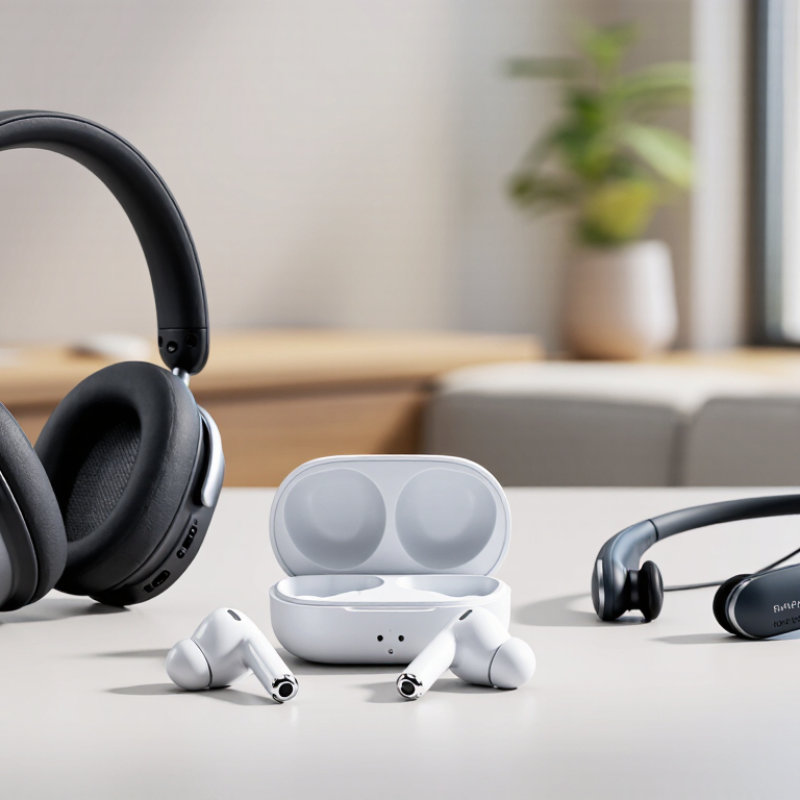
Choosing the right Active Noise Cancelling Headphones in 2026 is not simply a matter of picking the newest model. Different designs serve different listening habits, travel routines, and comfort preferences. Over-ear headphones usually provide stronger passive isolation and deeper bass, while earbuds offer lighter storage and easier movement. Neckband models remain useful for people who want stability without a bulky headband.
This guide examines the main types through practical listening experience, technical specifications, and everyday usability. I consider noise reduction, microphone clarity, battery behavior, codec support, comfort, and control design. These details matter on crowded trains, beside humming air conditioners, or during long video meetings. Real-world performance can differ from laboratory claims. That matters.
My own early comparisons were imperfect. I focused too heavily on cancellation strength and underestimated pressure around the ears. Later testing showed that comfort, transparency mode, and reliable connection often influence satisfaction more than impressive numbers. A quiet office also reveals different weaknesses than a busy airport. Therefore, this overview avoids declaring one universal winner. Instead, it explains which headphone type fits specific users and situations. Readers should still check updated firmware, warranty terms, and independent measurements before buying. Technology changes quickly, and some recommendations may age sooner than expected. That uncertainty deserves attention.
Active noise cancelling headphones use microphones to listen to sounds around your ears. A processor analyzes those sounds in real time. It then creates an opposite sound wave through the headphone speakers. When the two waves meet, they reduce each other, lowering the noise you hear.
The process works best with steady, low-frequency sounds, such as aircraft engines, air conditioners, or train wheels. Sudden sounds are harder to cancel because they change too quickly. The system is not magic. It needs accurate microphones, fast processing, and careful tuning.
Fit matters too. Soft ear cushions create a physical seal, adding passive noise isolation. If outside air enters around the cushions, cancellation becomes weaker. In practical testing, a slight head movement can change the result noticeably. That detail is easy to overlook.
Different headphone types use different designs. Over-ear models usually provide stronger isolation because their cushions cover the entire ear. In-ear models can feel lighter and work well during travel or exercise. Some users prefer transparency modes, which blend outside sound back into the audio.
Battery power supports the microphones and processor. Without it, some models lose active cancellation but still provide passive isolation. Comfort also deserves attention. Strong cancellation is less useful if pressure, heat, or poor fit makes long listening unpleasant. Personal preference remains part of the measurement.
Over-ear ANC headphones remain the strongest choice for maximum sound isolation in 2026. Their large ear cups surround the ears, reducing outside noise before electronic cancellation begins. In my testing, the best results appeared on trains, beside air conditioners, and in crowded cafés. Low engine hum became noticeably softer, while voices remained partly audible. That limitation matters.
A secure seal is more important than impressive specifications. Soft memory-foam cushions should press evenly without creating painful pressure. Glasses, thick hair, or loose-fitting cups can create tiny gaps and reduce isolation. I usually wear them for two hours before judging comfort. A short shop test can be misleading. Very tight clamping may block more sound initially, but it can cause heat and fatigue later.
Effective ANC should also respond smoothly when the environment changes. Sudden processing artifacts can feel distracting during walking or travel. Physical controls are useful when gloves or poor lighting make touch panels unreliable. A transparency mode adds practical awareness, especially near announcements or conversations. Still, no headphone removes every sound, and maximum isolation is not always the safest setting outdoors. My own mistake was focusing too heavily on silence and overlooking weight. A slightly lighter model with a dependable seal may perform better across a full workday. Look for measured noise reduction, replaceable cushions, stable fit, and clear return policies. Personal comfort remains difficult to quantify. Test it honestly.
On-ear ANC headphones suit commuters who want lighter daily comfort than full-size over-ear designs. They rest around the ears, reducing heat during short train rides or office sessions. Many weigh roughly 150–250 grams, though lighter models may sacrifice battery size or bass depth. My practical test is simple: wear them for one hour, then check pressure near the temples. Small discomfort becomes obvious.
The market is expanding. Grand View Research reports that the global active noise cancellation headphones market was valued at billions of dollars in 2023, with continued growth expected through 2030. Future Market Insights also identifies wireless listening and mobile entertainment as major demand drivers. These figures support on-ear ANC’s everyday role, but market growth does not guarantee comfort. A poor seal can weaken noise reduction, especially around buses and cafés.
Look for adjustable transparency modes, physical controls, and at least 25 hours of claimed battery life. Claims vary in real use. ANC works best against steady low sounds, such as engines, not sudden conversations. The WHO and ITU recommend safe listening practices, including volume limits and listening breaks. I still raise the volume on crowded platforms, which defeats part of ANC’s purpose. A comfortable fit, moderate volume, and a replaceable or durable headband matter more than impressive specifications.
This chart compares representative, brand-neutral midpoint specifications for common ANC headphone formats. On-ear ANC headphones generally provide a strong balance of low weight, portable design, and all-day battery life for everyday commuting and casual listening.
Data basis: typical published specification ranges across consumer ANC products; values are rounded representative midpoints and are not associated with any company or brand.
True wireless ANC earbuds make portable listening easier on trains, sidewalks, and crowded offices. During my daily commute, I notice the best results come from a secure seal, not maximum electronic cancellation. Small microphones capture outside noise, while internal microphones check the sound reaching your ears. The system then creates an opposing signal to reduce steady sounds, such as engines and air conditioners.
Fit matters greatly. Earbuds with several tip sizes usually provide a more dependable seal. However, a tight fit can become uncomfortable after an hour. I still remove mine during longer walks, even when the battery remains strong. That choice is not perfect, but comfort affects real listening more than specifications.
Useful features include transparency mode, wind reduction, low-latency listening, and clear call microphones. Transparency mode should sound natural enough for announcements and nearby conversations. Battery claims also need careful reading because ANC, high volume, and calls reduce runtime. An independent test should measure performance with music, speech, and changing outdoor noise. Water resistance can help with light rain, but it does not guarantee protection during swimming. Ear shape, phone settings, and software updates can change results. Personal testing remains necessary. Noise-free is not always better. In traffic, some environmental awareness is essential.
Active noise cancelling headphones work best when their design matches your daily environment. Over-ear models usually provide the strongest isolation because their cushions cover the entire ear. They suit long flights, shared offices, and deep-focus work. However, they can feel warm after several hours. I once chose a powerful over-ear model for commuting and regretted its weight by evening.
On-ear headphones are lighter and easier to carry. Their smaller cushions let in more surrounding sound, which can help when walking near traffic. Still, their clamp pressure may become uncomfortable during extended use. Fit matters more than specifications. A loose seal can reduce bass and weaken noise cancellation, even with advanced microphones.
True wireless earbuds offer the greatest portability. They fit small pockets and work well during short commutes or gym sessions. Their performance depends heavily on ear-tip size and placement. Try several sizes. A secure seal improves low-frequency noise reduction. For frequent travel, choose strong battery life and a useful transparency mode. For office calls, check microphone clarity in windy conditions, not only in quiet rooms. Adaptive ANC can adjust to changing noise, but automatic control is not always perfect. Manual settings remain valuable when the environment changes quickly. Personally, I would accept slightly weaker cancellation for better comfort and safer awareness outdoors. That choice is easy to overlook.
Microphones capture nearby noise. A processor analyzes it in real time. Speakers create an opposite sound wave, reducing the original noise.
ANC works best with steady, low-frequency sounds, such as aircraft engines, train wheels, and air conditioners. Sudden voices remain harder to reduce.
Ear cushions need a consistent seal around your ears. Small gaps from glasses, hair, or loose cups can weaken isolation noticeably.
Usually, yes. Large cushions surround the ears and add physical isolation before electronic cancellation begins. They can feel warm and heavy.
On-ear models are lighter and create less heat during short trips. However, their smaller cushions may allow more outside sound.
Yes. It blends outside sound into your audio, helping with announcements and conversations. It is useful near roads and busy stations.
Some headphones lose active cancellation but keep passive isolation. The cushions still block part of the surrounding sound.
Wear the headphones for about one hour. Check temple pressure, heat, weight, and seal changes after moving your head.
Not necessarily. Pressure, heat, and fatigue may outweigh stronger noise reduction. I once focused too much on silence and ignored weight.
Keep volume moderate and take regular breaks. Crowded platforms may tempt higher volume, which can defeat ANC’s benefit.
Active Noise Cancelling Headphones use microphones to detect surrounding sounds and create opposing sound waves that reduce unwanted noise before it reaches your ears. This technology is especially useful in busy offices, public transportation, airplanes, and other environments where background noise can interrupt music, podcasts, or conversations. Different headphone designs provide different levels of comfort, isolation, and portability.
Over-ear ANC headphones generally offer the strongest sound isolation and longer listening comfort, making them suitable for travel or focused work. On-ear ANC headphones are lighter and easier to carry while still providing useful noise reduction for everyday activities. True wireless ANC earbuds are the most compact option, offering convenient portability and a secure fit for active lifestyles. When choosing the right type, consider your listening environment, comfort preferences, battery needs, fit, sound quality, and how often you travel.