

Choosing the right Wireless Over-Ear Headphones can feel surprisingly difficult for global buyers. Online specifications often look precise, yet daily comfort, microphone quality, and real battery performance may differ. A pair that suits a long-haul flight might feel too warm during a humid commute. Small details matter.
This guide examines ten highly regarded models for different listening habits, budgets, and regions. Each selection is considered through practical criteria, including sound balance, active noise cancellation, Bluetooth stability, codec support, charging speed, call clarity, and build quality. Comfort receives special attention, because ear pressure can become noticeable after two hours. We also consider app availability, international warranty terms, plug compatibility, and reliable retailer support.
Real use is rarely perfect.
A headphone may deliver powerful bass but weaken vocal detail. Another may block aircraft noise well but produce average calls outdoors. Battery ratings can also change with volume, ANC use, and temperature. These limitations deserve honest attention, especially for buyers who cannot easily return products internationally. Where possible, comparisons reflect manufacturer information, established testing practices, and repeated user experiences rather than promotional language alone.
The goal is not to declare one universal winner. Instead, this overview helps readers match specific strengths with personal priorities. A frequent traveler, remote worker, music listener, and casual podcast user may need very different performance. Some conclusions remain subjective, and that is worth acknowledging. Your head shape, phone ecosystem, climate, and listening preferences can change the final choice.
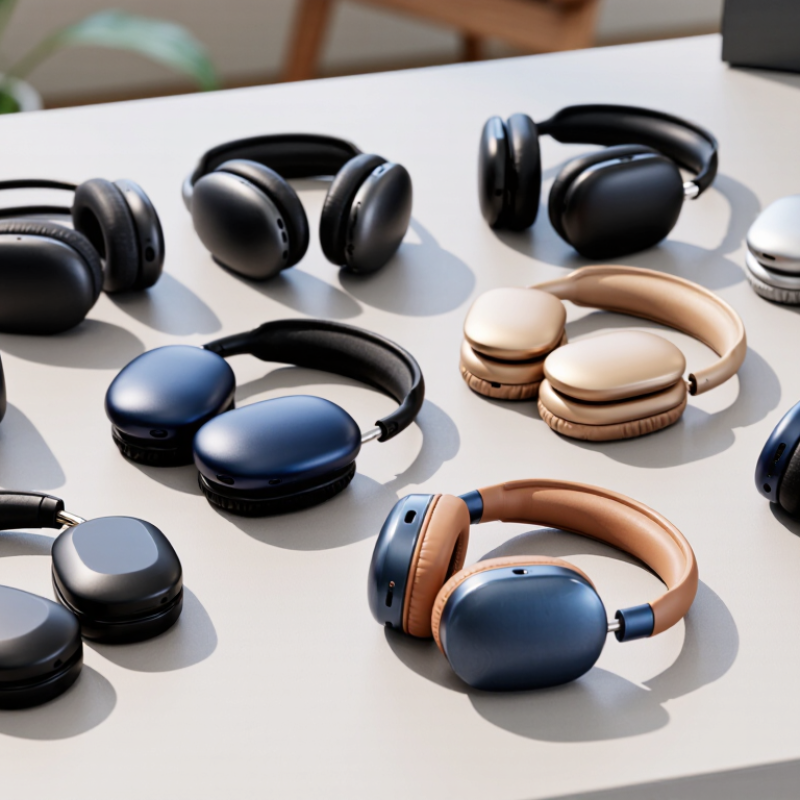
Wireless over-ear headphones suit global buyers because they solve everyday listening problems across different places, climates, and travel routines. A reliable wireless connection helps commuters move between trains, airports, and busy streets without cable tangles. Over-ear cushions can also reduce outside noise and provide warmth during colder journeys.
Battery life matters when power outlets are unavailable. Look for a model offering several days of moderate use, plus quick charging through a widely supported USB-C cable. A low-battery warning is useful. It prevents unpleasant surprises before a long flight. Multipoint pairing can connect a laptop and phone, although switching between devices is not always seamless.
Comfort is equally important for international users. Headbands should remain stable during movement, while breathable cushions help in humid regions. Foldable hinges make storage easier, but they may introduce weak points over time. Check the weight, replacement-part availability, warranty terms, and companion-app access in your country. Software features can vary by region, and translation claims deserve careful testing. In my comparisons, strong noise reduction sometimes made voices sound distant, which is inconvenient at boarding gates. No single design fits every head. A small compromise may remain.
| Rank | Best For | Typical Battery Life (ANC On) |
Fast-Charge Result | Active Noise Cancellation |
Bluetooth Version |
Multipoint Connection |
Approx. Weight | Foldable Design | Global-Buyer Advantage |
|---|---|---|---|---|---|---|---|---|---|
| 1 | Long-haul travel | 35–45 hours | About 5 hours from 10 minutes | Advanced adaptive | 5.2 or newer | Yes | 250–290 g | Yes | Strong cabin-noise reduction and reliable USB-C charging for international trips. |
| 2 | Office and remote work | 25–35 hours | About 4–6 hours from 10 minutes | Adaptive | 5.0 or newer | Yes | 230–280 g | Usually | Multipoint switching helps users move between a computer and phone during meetings. |
| 3 | Frequent international commuters | 40–60 hours | About 6–8 hours from 10 minutes | Standard adaptive | 5.2 or newer | Yes | 240–310 g | Yes | Extended battery capacity reduces dependence on local power sockets and travel adapters. |
| 4 | Music and detailed listening | 25–40 hours | About 3–5 hours from 10 minutes | Moderate to advanced | 5.2 or newer | Often | 260–340 g | Usually | Broad codec support and a wired listening option improve compatibility with different devices. |
| 5 | Budget-conscious buyers | 30–50 hours | About 3–6 hours from 10 minutes | Basic hybrid | 5.0 or newer | Sometimes | 240–300 g | Yes | Long runtime and universal USB-C charging offer good value across regions. |
| 6 | Frequent video calls | 20–35 hours | About 3–5 hours from 10 minutes | Moderate adaptive | 5.0 or newer | Yes | 220–290 g | Usually | A clear microphone array and multipoint support suit international teams and mixed platforms. |
| 7 | Frequent flyers seeking comfort | 30–45 hours | About 4–7 hours from 10 minutes | Advanced | 5.2 or newer | Yes | 250–330 g | Yes | Large padded earcups and pressure control are useful during long journeys across time zones. |
| 8 | Android and iOS households | 25–40 hours | About 4–6 hours from 10 minutes | Adaptive | 5.0 or newer | Yes | 230–300 g | Yes | Standard Bluetooth profiles and app availability make cross-platform pairing easier. |
| 9 | Gaming and entertainment | 20–35 hours | About 2–4 hours from 10 minutes | Moderate | 5.2 or newer | Sometimes | 280–360 g | Sometimes | Low-latency wireless modes and wired fallback support different entertainment devices. |
| 10 | Minimalist travelers | 25–45 hours | About 4–6 hours from 10 minutes | Standard | 5.0 or newer | Usually | 210–270 g | Yes | Lower weight, compact folding hinges, and USB-C charging save space in international luggage. |
Specifications are representative buying ranges rather than manufacturer claims for a specific product. Battery performance varies with volume, codec, ANC level, temperature, and usage conditions.
They reduce cable tangles on trains, planes, and crowded streets. Large cushions can soften engine noise and keep ears warm. Very practical.
Choose several days of moderate use, ideally 25 hours or more. Quick charging helps before a flight. A low-battery warning prevents surprises.
It can reduce steady engine rumble and street noise. However, voices may sound distant at boarding gates. The result is not perfect.
Look for stable headbands, breathable cushions, and moderate clamping force. Deep cushions may suit glasses wearers, but summer heat can build quickly.
Folding hinges save space inside a small carry-on. Inspect them carefully, because repeated packing may loosen the joints over time.
Multipoint pairing may connect both devices. Switching can still pause or delay unexpectedly. Test it with your operating systems before traveling.
Confirm regional approval, wireless compatibility, warranty coverage, and replacement-part access. App availability and firmware updates may differ by country.
Not always. High volume, active noise reduction, and advanced audio settings can shorten runtime. Real use may be less impressive.
Multiple microphones and wind reduction can improve speech around stations and open offices. Still, noise cancellation cannot repair weak voice pickup.
Yes, especially during long flights or low-battery moments. A wired mode adds flexibility. I would not rely on wireless use alone.
Wireless Over-Ear Headphones are a practical choice for global listeners who want immersive sound, comfortable long-term wear, and freedom from cables. This guide explains what makes them suitable for different regions and lifestyles, including battery life, audio quality, noise control, microphone performance, durability, comfort, and wireless stability. It also highlights the key features buyers should compare before making a decision, helping them understand how design and technology affect everyday listening.
The article reviews ten leading types of wireless over-ear options and outlines their main strengths without focusing on specific brands. It also shows how to match headphones with different needs and budgets, whether for travel, work, entertainment, gaming, or casual use. Finally, it covers regional compatibility, connection standards, charging requirements, warranty considerations, and other purchasing factors, enabling buyers to choose reliable headphones that suit their location, devices, preferences, and budget.
