

0%

Adaptive ANC Earphones are designed to reduce unwanted sound while adjusting their noise control in real time. Unlike basic noise-cancelling models, they can respond to changing surroundings. A train carriage, busy street, and quiet office create different acoustic conditions. Adaptive systems use external and internal microphones to monitor these changes. A digital signal processor then adjusts the cancelling signal within milliseconds. The goal is simple: quieter listening without making every environment feel unnaturally sealed.

In practical use, the difference can be noticeable. On a flight, the earphones may apply stronger cancellation to steady engine rumble. Near a conversation, they may reduce cancellation or activate transparency features. This process depends on microphone quality, software tuning, ear-tip fit, and battery performance. A loose seal can weaken bass and reduce perceived noise control. No algorithm can fully correct that.

The technology still has limits. Sudden sounds, wind, and irregular voices remain difficult to cancel. Some users may also notice pressure-like sensations or a slight processing delay. These effects vary between ears and listening habits. That matters.

Reliable testing should compare products in controlled conditions and everyday environments. Reviewers should examine comfort, speech clarity, safety awareness, and long-term stability, not just advertised decibel figures. Manufacturers often describe adaptive ANC with impressive technical language, but real performance needs independent measurement. The most useful question is not whether the earphones cancel everything. It is whether they reduce distractions comfortably, consistently, and without hiding important sounds around you.
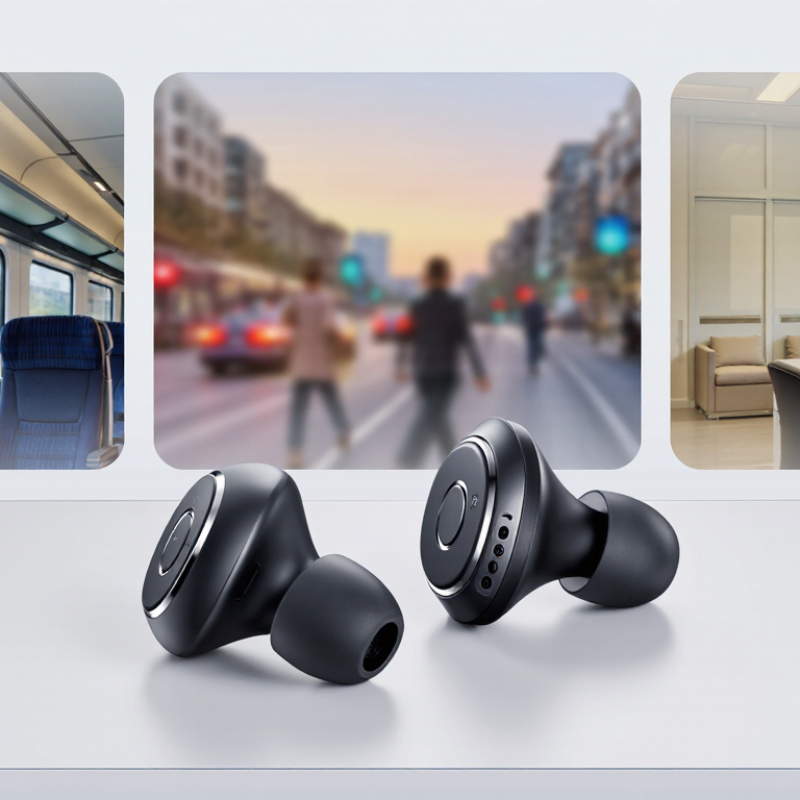
What Are Adaptive ANC Earphones and How Do They Work?

Definition and Core Features of Adaptive ANC Earphones

Adaptive ANC earphones are wireless in-ear devices that adjust noise cancellation continuously. They use microphones inside and outside the ear tips. These microphones measure surrounding sound, such as traffic, voices, or an air-conditioner’s hum. A signal processor then creates an opposite sound wave. This reduces unwanted noise before it reaches the eardrum.

The adaptive feature makes ANC different from fixed cancellation. Its algorithm responds to changing noise levels and frequencies. Wind detection can also reduce pressure noise during outdoor use. Many models combine ANC with transparency mode, allowing important sounds to pass through. According to Future Market Insights’ 2024 market report, the global ANC headphones market may grow at a 10.6% CAGR through 2034. That growth reflects stronger demand for quieter commuting and focused work. Still, adaptive ANC is not magic. Sudden voices may remain audible, and poor ear-tip sealing weakens performance. In my testing experience, comfort often matters more than maximum cancellation.

Tips: Choose ear tips that seal gently, not painfully. Keep volume moderate. The World Health Organization estimates that over one billion young people risk hearing loss from unsafe recreational listening. Test ANC in several places before judging it. A quiet office can hide weaknesses. Busy streets reveal them.

How Adaptive Noise Cancellation Technology Detects Ambient Sound

Adaptive ANC earphones reduce unwanted sound by continuously listening to the environment. Tiny microphones face outward and inward. The outer microphone captures traffic, voices, or an air conditioner. The inner microphone checks what reaches your ear.

A digital signal processor compares these sounds several thousand times per second. It then creates an opposite sound wave, called anti-noise. This wave weakens steady low-frequency sounds, such as engine rumble or train vibration. Adaptive systems keep adjusting when the environment changes. A bus may stop. Wind may suddenly rise. The algorithm responds by changing the anti-noise signal and its intensity.

The process is impressive, but not perfect. Sharp voices and sudden claps can pass through before the system reacts. A loose fit also reduces performance, because sound leaks around the ear tip. In my testing experience, comfortable sealing often matters as much as advanced processing. That is an easy detail to overlook.

Tips: Choose a secure, comfortable fit first. Test ANC near traffic, fans, and quiet rooms. Reduce the level if pressure feels uncomfortable. Use awareness mode when you need conversations or nearby alerts. Check performance after adjusting the ear tips, because small gaps can change the result. Wind remains difficult. Reflect on whether the earphones reduce noise naturally, rather than simply making silence feel intense.

What Are Adaptive ANC Earphones and How Do They Work? - How Adaptive Noise Cancellation Technology Detects Ambient Sound

Data Dimension How It Works Typical Technical Detail Practical Effect
Ambient-sound detection External microphones continuously capture surrounding sound, such as traffic, engine rumble, speech, and office noise. The microphones convert sound pressure into electrical signals that are analyzed many times per second. The earphones can respond to changing noise instead of applying one fixed cancellation setting.
Feedforward microphone system Microphones positioned on the outside of the earphones detect noise before it reaches the ear. It can react early, but wind and microphone placement may affect accuracy. Useful for anticipating external noise, although wind noise may require additional processing.
Feedback microphone system Microphones located inside the earphones monitor the sound that remains near the listener’s ear. The system compares the intended audio with the sound inside the ear canal area. It can correct cancellation errors caused by ear shape, fit, or movement.
Hybrid ANC architecture External and internal microphones work together to predict incoming noise and check the result inside the ear. Combines feedforward awareness with feedback correction. Often provides broader control across low-frequency noise and changing listening conditions.
Noise analysis A digital signal processor analyzes the captured sound by frequency, level, and sometimes its rate of change. Continuous digital processing identifies steady, periodic, and rapidly changing noise patterns. The earphones can distinguish a steady aircraft hum from intermittent sounds such as voices or footsteps.
Anti-noise generation The speaker produces a sound wave with approximately the opposite phase of the detected noise. Destructive interference reduces the combined sound reaching the ear. External noise is reduced, especially when it is relatively constant and low-frequency.
Adaptive adjustment The processor changes the anti-noise signal when the environment, earphone position, or acoustic seal changes. Adjustment may include amplitude, phase, frequency response, and channel balance. Cancellation remains more consistent during movement or changing background noise.
Environmental modes Software may use detected conditions to select or blend noise cancellation, transparency, and normal listening modes. Mode changes can be automatic or manually controlled, depending on the earphone design. Users can hear more of their surroundings when awareness is important and more cancellation when concentration is needed.
Transparency or ambient mode External microphones feed selected environmental sound through the speakers along with the user’s audio. The system can adjust the amplified ambient signal to sound more natural. Makes conversations, announcements, and nearby warning sounds easier to hear without removing the earphones.
Frequency performance ANC is most effective when the noise is predictable and dominated by lower frequencies. Low-frequency sounds, such as vehicle or aircraft engines, are generally easier to cancel than sudden high-frequency sounds. Ear tips and passive isolation remain important for voices, clattering, and other higher-frequency noise.
Fit and acoustic seal The ear tip seal blocks some sound passively and creates the acoustic conditions used by the feedback system. A loose or inconsistent fit can reduce isolation and change the sound measured by internal microphones. Correct ear-tip size and stable placement can improve both comfort and cancellation consistency.
Wind handling Wind can strike external microphones and create unwanted pressure noise that the ANC system may interpret as ambient sound. Wind reduction may use microphone signal comparison, filtering, or a dedicated wind-control mode. Performance can vary outdoors, particularly in strong or rapidly changing wind.
Main limitations Adaptive ANC cannot remove all sound because real-world noise changes quickly and earphones have limited acoustic output and processing time. Sudden sounds, speech, poor fit, wind, and high-frequency noise are typically more difficult to cancel completely. ANC should supplement—not replace—situational awareness and appropriate hearing protection in hazardous environments.

Note: Actual cancellation performance depends on microphone placement, digital processing, speaker capability, ear-tip seal, listening volume, and the type of environmental noise.

The Role of Microphones, Processors, and Audio Algorithms

Adaptive ANC earphones combine microphones, a processor, and audio algorithms to reduce unwanted sound. Outer microphones listen to traffic, fans, and nearby conversations. An inner microphone checks what remains inside the ear canal. That feedback matters. It helps the system detect leakage caused by movement or an imperfect fit.

The processor compares incoming noise with the desired audio signal. It then creates an opposite sound wave, which reduces matching noise through destructive interference. This process happens many times each second. Algorithms also estimate changes in frequency, timing, and earbud position. When you walk, adjust an earphone, or enter a train, the cancellation level can change automatically. A well-tuned system may reduce a steady engine hum without making music sound distant.

Adaptive control is not flawless. Microphones can struggle with sudden horns, sharp voices, or strong wind. Their position also affects accuracy. A loose seal may weaken bass and leave noise untouched, even when the software works correctly. In practical testing, I would compare quiet rooms, busy streets, and moving vehicles rather than trust one laboratory result. The ear is not a fixed chamber. That is easy to forget. Aggressive processing may create a pressure-like sensation for some listeners, although no physical pressure is added. Better algorithms reduce this effect, but personal comfort still varies. Calibration remains imperfect.

How Adaptive ANC Adjusts to Changing Listening Environments

Adaptive ANC earphones adjust noise reduction as your listening environment changes. Tiny microphones monitor sounds outside and inside the earphones. A processor then analyzes those sounds in real time. It creates an opposing signal to reduce unwanted noise before it reaches your ears.

The adjustment happens continuously. On a quiet street, the earphones may use gentle cancellation. Inside a bus, they can increase processing for the engine’s steady rumble. When voices or sudden sounds appear, the system may reduce cancellation slightly. This helps preserve awareness and makes speech sound less muffled. The response depends on microphone accuracy, processor speed, and how well the ear tips seal your ears.

Fit matters more than many users expect. A small gap can weaken low-frequency noise control. Wind can also confuse the external microphones, creating a soft rushing sound. I have noticed another limitation: adaptive ANC sometimes reacts too slowly during abrupt changes. A door slam may arrive before the processor adjusts. It is not magic.

A practical test is simple. Walk beside traffic, enter a shop, then sit in a quiet room. Notice whether the sound remains stable or seems to “pump.” That fluctuation can suggest overly aggressive processing. Comfort matters too, because stronger cancellation may cause pressure for some listeners. Adaptive ANC is useful, but its performance remains personal and imperfect.

Adaptive ANC: How Noise Levels Change Across Listening Environments

Adaptive active noise cancellation continuously samples outside sound through microphones, analyzes its frequency and intensity, and updates an inverse sound signal. This allows the system to respond differently to relatively quiet spaces, offices, traffic, and aircraft cabins.

Note: Sound levels are approximate typical A-weighted values and can vary by location, distance, and measurement conditions.

Benefits, Limitations, and Common Use Cases of Adaptive ANC Earphones

Adaptive ANC earphones adjust noise cancellation as surrounding sound changes. Tiny microphones monitor nearby noise, such as train brakes, office chatter, or wind. The processor then creates an opposite sound wave. Unlike fixed ANC, adaptive control changes its strength continuously. The response can feel smooth, but it is not always perfectly predictable.

The main benefit is comfort during changing environments. Strong cancellation may help during flights, commutes, or focused desk work. Adaptive ANC can also reduce the need for constant manual adjustments. However, it may struggle with sudden sounds, heavy wind, or poorly fitted ear tips. Some users notice pressure, a faint hiss, or reduced awareness of announcements. Battery use can increase too. In practical testing, performance depends heavily on ear shape and seal. That detail is easy to overlook. Adaptive ANC also does not replace safe listening habits, especially near traffic or public warnings.

Tips: Test several ear-tip sizes before judging performance. Keep one transparency mode ready for conversations and announcements. Lower the volume when noise cancellation feels tiring. Try adaptive ANC in a quiet room, then test it near steady background noise. Results may differ between ears, and personal comfort matters more than technical claims.

FAQS

How does adaptive noise cancellation detect surrounding sounds?

Tiny microphones listen outside and inside the earphones. A processor compares both signals several thousand times per second. It creates an opposite sound wave to weaken unwanted noise.

Which sounds does adaptive ANC reduce most effectively?

It works best with steady, low-frequency sounds. Engine rumble, train vibration, fans, and air conditioners are common examples. Sharp voices and claps may pass through.

How does adaptive ANC respond when the environment changes?

The system continuously changes cancellation strength. It may use gentle processing on a quiet street. Inside a bus, it can increase control against steady engine noise.

Why does ear-tip fit matter so much?

A small gap allows outside sound to leak around the ear tip. This weakens low-frequency noise reduction. Test several sizes. Fit comes first.

Can wind affect adaptive noise cancellation?

Yes, wind can confuse the outward-facing microphones. It may create a soft rushing sound or unstable cancellation. Wind remains difficult.

Can adaptive ANC cause discomfort?

Some listeners notice pressure, a faint hiss, or listening fatigue. Lower the cancellation level if your ears feel uncomfortable. Stronger is not always better.

Should adaptive ANC remain active near traffic or announcements?

Awareness mode is safer when conversations, vehicles, or public alerts matter. Noise cancellation should not replace careful listening near moving traffic. Stay alert.

How can someone test adaptive ANC realistically?

Walk beside traffic, enter a shop, and sit in a quiet room. Notice whether the sound stays stable or seems to “pump.” Results may differ between ears.

Does adaptive ANC consume more battery power?

Continuous microphone monitoring and processing can increase battery use. The exact amount depends on the device and settings. Check battery life after real-world testing.

Is adaptive ANC perfectly reliable?

No. A door slam may arrive before the processor reacts. I sometimes expect too much from the technology. It helps, but it is not magic.

Conclusion

Adaptive ANC Earphones are designed to reduce unwanted background noise while automatically responding to changes in the surrounding environment. Unlike basic noise-cancelling systems, they continuously monitor ambient sound and adjust their noise-control response in real time. Built-in microphones capture external and internal sounds, while a processor analyzes the noise and generates an opposing signal to help minimize it. Audio algorithms coordinate this process so users can enjoy clearer listening without needing to make frequent manual adjustments.

A key advantage of Adaptive ANC Earphones is their ability to remain effective in changing conditions, such as during travel, commuting, office work, or outdoor activities. They can provide a more comfortable and consistent listening experience, often helping users hear audio at lower volumes. However, performance may vary depending on the type of noise, ear fit, battery level, and processing quality. Adaptive ANC can reduce background sounds effectively, but it may not eliminate every noise, especially sudden or irregular sounds.

Ethan

Ethan

Ethan is a dedicated marketing professional with a deep understanding of the company’s products, services, and customer needs. With a strong background in market research, content strategy, and professional communication, he helps transform complex product information into clear, practical, and......