

0%

Foldable ANC Headphones combine portability, comfort, and active noise cancellation in one travel-focused design. Their hinges allow the earcups to collapse, reducing space inside a backpack or desk drawer. ANC uses microphones to detect surrounding sound, then produces an opposing signal to reduce steady noise. This works especially well with aircraft engines, train rumble, and air conditioners. It is less reliable against sudden voices or sharp clattering.

A practical evaluation should examine more than advertised silence. Check the hinge strength, earcup seal, battery life, microphone quality, and control layout. A lighter frame may feel comfortable during a long flight, but it can sometimes use thinner materials. That trade-off deserves attention. Some models also sound slightly different when ANC is active, creating a faint pressure sensation for certain listeners. Fit matters greatly; glasses, hairstyles, and ear shape can change performance.

Small details matter.

From hands-on use, the best Foldable ANC Headphones feel stable when folded and natural after several hours. Their carrying case should protect the hinges without wasting luggage space. Bluetooth reliability, wired listening, and quick charging also influence daily value. However, no headphone removes every sound, and product claims should be checked against independent tests. Battery results vary with volume, codec, and ANC settings. Even experienced reviewers can overlook comfort changes after extended wear. That limitation deserves honesty. A balanced guide should explain both measurable performance and personal experience, helping readers choose headphones that match their commute, workday, or next journey.
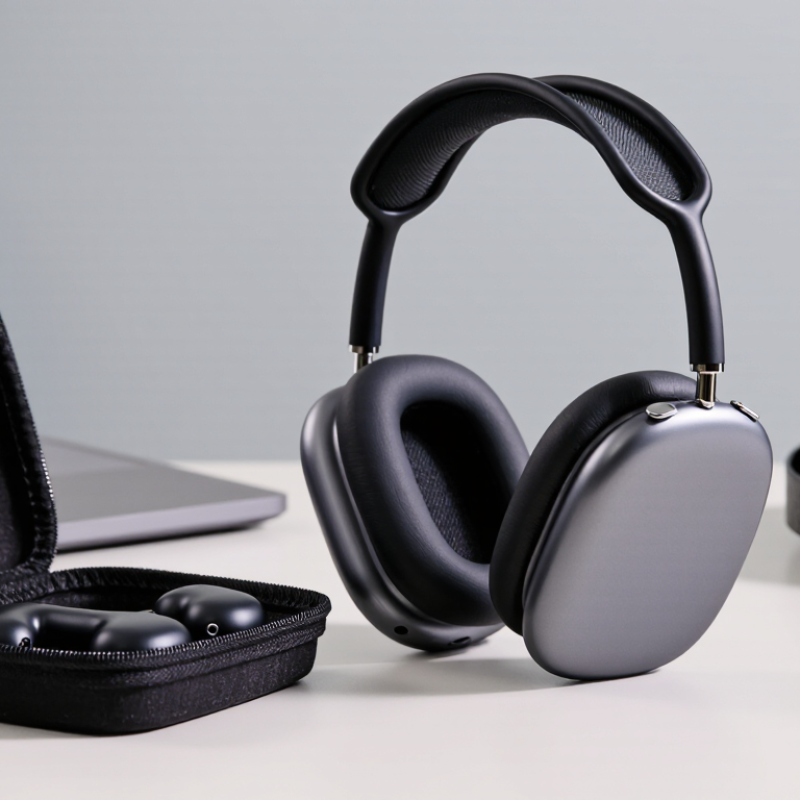
What Is a Foldable ANC Headphone?

Definition and Core Features of Foldable ANC Headphones

What Is a Foldable ANC Headphone?

Definition and Core Features of Foldable ANC Headphones

A foldable ANC headphone combines active noise cancellation with a space-saving, hinged design. ANC microphones detect surrounding sounds, then create opposing sound waves. This process works best against steady, low-frequency noise, such as aircraft engines, air conditioners, and train rumble. It is less effective against sudden voices, claps, or nearby alarms. The ear cushions still provide passive isolation through their physical seal.

Core features usually include adjustable ANC levels, a transparency mode, Bluetooth connectivity, and built-in microphones for calls. A strong folding mechanism should feel firm without creaking or excessive looseness. Battery performance matters too. Manufacturers often measure battery life under controlled conditions, so real use may vary with volume, wireless settings, and ANC strength. In my experience, comfort can matter more than maximum specifications. A tight headband may become distracting after an hour. Foldable hinges also add moving parts, which deserve careful handling. The design is convenient, but not indestructible.

Tips: Check the folded size before buying. It should fit your bag without forcing the hinge. Test the ear-cup seal with glasses, because small gaps can reduce noise blocking. Keep ANC off when you need clear awareness outdoors. Also, inspect replacement cushions and hinge quality. These details are easy to overlook.

How Active Noise Cancellation Works in Foldable Headphones

What Is a Foldable ANC Headphone?

Foldable ANC headphones combine compact hinges with active noise cancellation. Their ear cups fold inward for easier storage in a bag. However, folding does not create noise reduction. Small microphones listen to surrounding sounds, such as bus engines or air conditioners. Internal circuitry analyzes these sounds within milliseconds. The headphones then produce an opposite sound wave, often called anti-noise. When both waves meet, low, steady noise can become much quieter.

In practical use, ANC works best against consistent sounds. I notice the strongest change near train windows and office ventilation systems. Human voices, sudden claps, and street horns are harder to remove. The ear cushions still provide passive isolation by blocking part of the sound physically. A good seal matters, too. Glasses, hair, or loose cushions can reduce performance. It is easy to expect silence. That expectation is imperfect.

Foldable designs usually include small microphones on the outer and inner sides. Outer microphones detect environmental noise, while inner microphones check what reaches the ear. Some systems adjust cancellation continuously, but their accuracy depends on software, microphone quality, and battery power. ANC can also create a faint pressure-like feeling for sensitive listeners. It is not harmful for most users, but comfort varies. Testing the headphones with music, speech, and quiet periods gives a more honest impression than relying on specifications alone.

What Is a Foldable ANC Headphone? - How Active Noise Cancellation Works in Foldable Headphones

Data Dimension Typical Fact or Specification How It Relates to Foldable ANC Headphones
Product Category Over-ear or on-ear wireless headphones with folding hinges and active noise cancellation Folding joints reduce the storage footprint, while the ANC system uses electronics, microphones, and speakers to reduce surrounding noise.
Core ANC Method Electronic noise reduction using microphones, signal processing, and anti-noise External or internal microphones detect unwanted sound. The headphones generate an opposing sound wave that reduces part of the detected noise before it reaches the listener.
Best Noise Conditions for ANC Steady, low-frequency sounds such as aircraft, train, bus, and air-conditioner noise Consistent sounds are easier for the system to analyze and counter. Sudden voices, claps, and impacts are generally more difficult to cancel completely.
Passive Noise Isolation Created by ear cushions, ear-cup coverage, headband pressure, and the physical seal ANC and passive isolation work together. A poor seal caused by glasses, hair, or an unsuitable fit can reduce overall noise reduction even when the electronic system is active.
Microphone Arrangement Common designs use microphones outside the ear cup, inside the ear cup, or in both positions Feedforward microphones monitor external noise, feedback microphones monitor sound near the ear, and hybrid designs combine both signals for more controlled cancellation.
Foldable Mechanisms Typical configurations include inward-folding ear cups, swiveling ear cups, or a folding headband These mechanisms make the headphones easier to carry, but hinges and moving parts must be designed carefully to preserve comfort, durability, and the ear-cup seal.
Portable Storage Benefit Folded headphones usually occupy less space than fully opened headphones A smaller folded shape is useful for backpacks, luggage, and drawers. The exact reduction depends on the hinge design and whether the ear cups rotate or fold inward.
Wireless Connection Bluetooth is the most common wireless connection method Wireless operation improves portability, while the ANC circuitry and Bluetooth radio require additional electrical power compared with passive wired headphones.
Wired Listening Some models support listening through an audio cable, sometimes with ANC still available A wired mode can be useful when battery power is low or when connecting to equipment that does not support Bluetooth. Functions available in wired mode vary by design.
Power Source Usually a built-in rechargeable lithium-ion battery The battery powers ANC processing, microphones, wireless communication, and sometimes amplification. Battery life normally changes when ANC, wireless audio, or other features are enabled.
Ambient or Transparency Mode Uses microphones to pass selected external sounds through the headphone speakers This mode helps users hear announcements or nearby conversations without removing the headphones. It is the functional opposite of trying to minimize outside sound.
Audio Frequency Range Many consumer headphone specifications list approximately 20 Hz to 20 kHz This commonly stated range broadly corresponds to the nominal range of human hearing, but it does not by itself describe tonal balance, loudness, distortion, or ANC performance.
Noise Reduction Limitation ANC does not eliminate all external sound High-frequency sounds, irregular noises, wind, and sounds that enter through gaps around the ear cups may remain audible. Passive sealing is especially important for higher frequencies.
Wind Performance Wind can create microphone turbulence and unwanted low-frequency noise Microphone placement, wind filtering, and software processing affect performance outdoors. Wearing the headphones correctly can also reduce airflow around the microphones.
Comfort Factors Important factors include clamp force, ear-cup depth, cushion material, headband padding, and total weight A comfortable fit supports a stable acoustic seal during long listening sessions. Excessive pressure or shallow ear cups can reduce comfort and may affect passive isolation.
Hinge Durability Considerations Repeated folding places mechanical stress on hinges, cables, and swivel joints Users should fold the headphones only along the intended movement path and avoid forcing the ear cups beyond their designed range.
Potential ANC Side Effects Some listeners may notice pressure-like sensations, a slight background hiss, or changes in sound character These effects can result from the interaction between the ear seal, ANC processing, and the listener’s sensitivity. Switching ANC modes can help identify a more comfortable setting.
Recommended Use Cases Air travel, commuting, offices, study areas, and other environments with sustained background noise The combination of portability, passive isolation, wireless audio, and ANC makes foldable headphones practical for travel and everyday mobile use.

Note: Actual battery life, weight, folding dimensions, microphone count, and available listening modes vary by model. Manufacturer measurements should be checked for product-specific specifications.

Foldable Designs, Components, and Portability

What Is a Foldable ANC Headphone?

Foldable Designs, Components, and Portability

A foldable ANC headphone combines active noise cancellation with a space-saving structure. Its ear cups usually rotate inward or fold toward the headband. This reduces bulk inside a backpack, desk drawer, or travel pouch.

The main components include microphones, drivers, a battery, control buttons, and folding hinges. External microphones detect surrounding sounds. An internal circuit then creates an opposing signal to reduce steady noise, such as airplane engines or air conditioners. Soft ear cushions also matter. They create a physical seal and improve comfort.

A strong hinge should feel firm without resisting every adjustment. Still, compact designs can have weaker joints if treated roughly. I have found that portability often changes comfort. Smaller cushions may press against the ears during long sessions. ANC also works less effectively against sudden voices or clattering dishes. That limitation is easy to overlook.

Tips: Check the folded dimensions before buying. Test the hinge movement gently. Choose a protective pouch for daily commuting. Keep the microphones clear of dust. Battery life may fall in cold weather, too. Do not judge comfort after one minute. Try longer wear. Your first impression might be wrong.

Key Benefits and Limitations for Everyday Use

What Is a Foldable ANC Headphone?

Key Benefits and Limitations for Everyday Use

A foldable ANC headphone combines active noise cancellation with hinges that reduce its travel size. Small enough for a desk drawer. Internal microphones detect steady sounds, such as bus engines, air conditioners, and office hum. The circuitry creates an opposing signal, lowering those noises before they reach your ears. In daily use, this can make podcasts clearer at moderate volume. It may also reduce listening fatigue during a long train ride. Not perfectly silent.

The folding design is practical for commuting, shared workspaces, and overnight trips. A compact case leaves room for a charger and notebook. ANC works best against predictable low-frequency noise, not sudden conversations or clattering dishes. Voices still leak through. That limitation matters in cafés and family rooms. Wireless operation also adds battery dependence; a dead battery can quickly become inconvenient. Some models play through a cable, but ANC may stop working in that mode.

Comfort depends on clamp pressure, ear-cup depth, heat, and weight. Specifications cannot replace a real fitting. I have found that lighter headphones feel better after two hours, even when isolation is weaker. That is not universal. Strong ANC can create pressure sensations for some listeners. Transparency modes may also sound slightly processed. Hinges face another concern because repeated folding stresses moving parts. Careful storage helps, but it cannot erase normal wear. Buyers should check return terms, battery replacement options, microphone performance, and independent test measurements before trusting advertised silence.

What Is a Foldable ANC Headphone? Key Benefits and Limitations for Everyday Use

This category-level comparison uses a 1–5 everyday-use score, where 5 indicates a stronger advantage. Foldable ANC headphones are highly portable and generally effective in steady background noise, but comfort, wind handling, and noise reduction can vary by design.

How to Choose the Right Foldable ANC Headphone

What Is a Foldable ANC Headphone?

A foldable ANC headphone combines active noise cancellation with hinges for easier storage. Choosing one requires more than checking its advertised noise reduction. Grand View Research’s 2024 market analysis estimated the global headphone market at approximately US$17.8 billion, showing strong demand for portable listening. Still, bigger numbers do not guarantee better travel performance. Test the fit around your ears, because small gaps can weaken bass and reduce ANC effectiveness. Check battery life with ANC enabled, not only the maximum figure. A realistic target is 20 to 40 hours, depending on your daily commute.

Tips: Look for adjustable ANC, transparency mode, and physical controls. Test the hinge movement gently. It should feel firm, not stiff or loose. Also check codec support, charging speed, microphone quality, and replaceable cushions. An IP rating helps with light moisture, but many foldable models are not designed for heavy rain. Read independent laboratory measurements when available, because “up to” claims often use ideal conditions.

Comfort deserves equal attention.

A lightweight frame may feel pleasant initially, but thin cushions can create pressure after two hours. The World Health Organization’s World Report on Hearing warns that unsafe listening habits can contribute to hearing damage, so moderate volume remains important. Specifications can mislead. Mine did. Consider whether the folded size fits your actual bag, whether the case protects the hinges, and whether the controls remain usable with gloves. A slightly heavier headphone may be the wiser choice for long flights.

FAQS

What is a foldable ANC headphone?

It combines active noise cancellation with hinges for easier storage. The ear cups fold inward or rotate toward the headband. ANC reduces steady sounds, such as aircraft engines, air conditioners, and train rumble.

How does active noise cancellation work?

External microphones detect surrounding sounds. Internal circuits create opposing sound waves. The system works best with low, constant noise. It is less effective against sudden voices, claps, and nearby alarms.

Why does the folding design matter?

Folding ear cups take up less space inside a backpack or travel pouch. A firm hinge should move smoothly without creaking. Do not force it. Compact hinges still need careful handling.

How should I check comfort before buying?

Wear the headphones longer than one minute. Small cushions may press against your ears after two hours. A tight headband can become distracting. My first impression was wrong.

Can glasses reduce noise cancellation?

Yes, glasses can create small gaps around the ear cushions. Those gaps may weaken passive isolation and reduce ANC performance. Test the headphones with your usual glasses. Fit matters greatly.

How much battery life is practical?

A realistic target is about 20 to 40 hours with ANC enabled. Actual results vary with volume, wireless settings, and temperature. Cold weather may reduce battery performance. Advertised maximums can mislead.

What features are useful for travel?

Adjustable ANC helps in changing environments. Transparency mode supports awareness during outdoor use. Physical buttons may work better with gloves. A protective pouch can help shield the hinges.

What should I inspect before purchasing?

Check folded dimensions, hinge movement, microphone quality, charging speed, and replaceable cushions. Read independent test results when available. Also consider moisture protection. A heavier model may suit long flights better.

Conclusion

Foldable ANC Headphones combine active noise cancellation with a compact, collapsible design for convenient everyday listening. Built-in microphones detect surrounding sounds, while the headphones generate opposing sound waves to reduce steady background noise such as engine hum, office equipment, or street traffic. Their foldable hinges, padded ear cups, adjustable headbands, wireless controls, rechargeable batteries, and protective cases help make them easier to store and carry.

These headphones can improve focus, comfort, and audio enjoyment during commuting, travel, work, or relaxation. However, their performance may vary depending on fit, battery life, microphone quality, sound tuning, and the effectiveness of noise cancellation with voices or sudden sounds. When choosing a suitable model, consider comfort, weight, folding durability, audio quality, connection options, charging convenience, ANC strength, transparency features, and overall value. The best choice should balance portability and reliable performance while matching the user’s listening habits and daily environment.

Ethan

Ethan

Ethan is a dedicated marketing professional with a deep understanding of the company’s products, services, and customer needs. With a strong background in market research, content strategy, and professional communication, he helps transform complex product information into clear, practical, and......