

Why Choose Noise Cancelling Wireless Earbuds? The answer is not only about quieter music. On a crowded train, steady engine rumble can make podcasts hard to follow. At a desk, gentle noise reduction may help soften nearby conversation. These small benefits explain why Noise Cancelling Wireless Earbuds have become a practical choice for commuting, travel, and focused work.
The market is growing, too. Grand View Research’s Wireless Earbuds Market report estimated the global market at USD 9.3 billion in 2023 and forecast a 14.4% compound annual growth rate from 2024 to 2030. That figure reflects broad demand for wireless earbuds, not noise cancellation alone. Still, it shows how quickly listening habits and product expectations are changing.
There is an important caveat. Active noise cancellation can reduce some outside sounds, but it does not make loud listening safe. The WHO-ITU safe listening standard sets 80 decibels for up to 40 hours per week as a reference for adults. Use that as a guide, not a personal guarantee. Lowering the volume can matter more than buying another feature. Fit matters, too: a loose earbud may let noise leak in, while a secure seal can improve both comfort and performance. Small detail. Big difference. This guide explores how cancellation works, where it helps, and what to check before choosing a pair. No model is perfect, and specifications alone rarely tell the whole story.
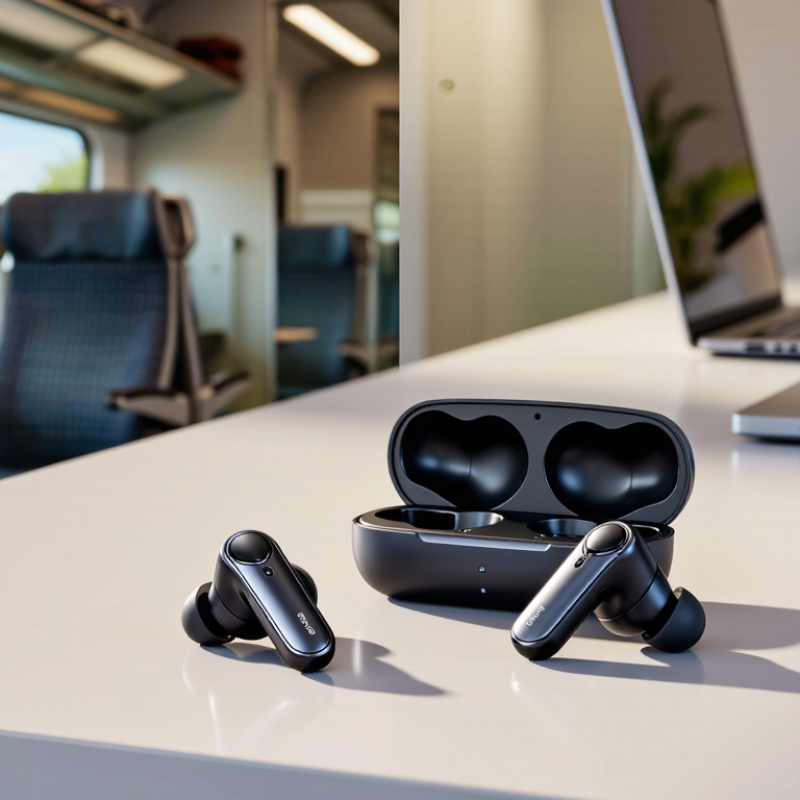
Noise-cancelling earbuds use tiny microphones to sample sounds around your ears. A processor analyzes the incoming noise and creates a near-opposite sound wave. When the waves meet, they reduce some of the noise you hear. It is active cancellation, not silence. A snug ear tip also blocks sound physically, especially sharper noises such as nearby conversation. Low, steady sounds—like an air conditioner’s hum—are usually easier to reduce than sudden voices or clattering dishes. Fit matters: a small gap can weaken the passive seal and make cancellation less effective.
The effect depends on the sound, the fit, and the earbuds’ processing; results vary between listeners. ANC may make a bus ride feel calmer, but it does not guarantee hearing protection. The WHO and ITU’s 2019 safe-listening standard recommends no more than 80 dB for 40 hours per week for adults. That is a listening-exposure guideline, not an ANC rating. Turning up music to overcome remaining noise can still increase exposure.
Tips: Try a gentle seal before increasing volume. Keep audio comfortable, and pause in quiet surroundings. Check the fit again if voices or rumble suddenly seem louder.
Noise-cancelling wireless earbuds can make a crowded commute feel less demanding. On a bus, steady engine rumble often fades into the background, so a podcast or phone call is easier to follow at a lower volume. That matters over a long ride. Still, voices and sudden sounds may come through, depending on the earbuds and how they fit.
At a desk, reducing the hum of air conditioning can help make concentration easier. A snug seal also softens nearby keyboard taps, though it cannot turn a busy office into a silent room. Quiet helps. For video calls, check that the microphone captures your voice clearly; noise cancellation for listening does not always remove background sounds from your outgoing audio.
During flights or train trips, less low-frequency noise can make music and spoken audio more comfortable. At home, it may help when a washing machine or fan runs nearby. But awareness matters. Switch to an awareness mode, or remove an earbud, when you need to hear announcements or people around you. The fit can take some adjusting, and battery life may limit longer trips. It is useful technology, not a perfect bubble.
Wireless design is useful when your hands are busy: walking with a coffee, commuting, or taking a call while packing. Without a cable between the earbuds and phone, there is less to snag on a jacket zipper or desk corner. The charging case slips into a small pocket, though it can be easy to misplace. Small, but not foolproof.
The market’s growth reflects wider interest in compact audio. Grand View Research estimated the global wireless earbuds market at US$8.3 billion in 2023 and forecast a 14.9% compound annual growth rate from 2024 to 2030 in its Global Wireless Earbuds Market report. Market growth does not prove every design is comfortable, however. Ear shape varies, and a seal that feels secure in a shop may become irritating after an hour. Try different ear-tip sizes, and check whether the controls are easy to use without pressing the earbuds deeper.
For portability, pay attention to the case’s shape and how it charges, not just its size. A slim case may fit a coin pocket but can be awkward to open with cold fingers. Noise cancellation can make train rides calmer, yet it also draws power; check the stated listening time with cancellation enabled. Small details matter. A loose-fitting earbud may need frequent adjustment, which rather defeats the convenience of going wireless.
Noise-cancelling wireless earbuds can make commutes and shared offices feel quieter, but they cannot erase every sound. Active noise cancellation is usually most effective against steady low-frequency noise, such as an air conditioner or bus engine. Voices, keyboard clicks, and sudden announcements may still come through. A secure ear-tip seal matters, too; even small gaps can weaken both noise reduction and bass. Comfort varies, and a tip that feels fine for ten minutes may irritate your ears later.
Tips: Test the fit while walking and talking. Try each ear-tip size, and check whether pressure builds after a short listening session. Keep the volume moderate when you need to remain aware of nearby activity.
Battery life, connection stability, and controls deserve attention before choosing a pair. Noise cancellation can shorten listening time, and touch controls may misread a damp finger or a hat brushing the earbud. Some models also create a plugged-up sensation, especially during long use. That trade-off is easy to overlook when focusing only on advertised features. If possible, compare comfort and sound in a setting similar to your daily routine.
Choosing earbuds starts with where you listen most and what you need to hear clearly. On a crowded train, active noise cancelling may help reduce steady engine rumble. In an office, comfort, microphone quality, and quick access to transparency mode may matter more. Fit matters. A weak seal can reduce bass and let voices leak through, so try several tip sizes if possible. Check whether buttons or touch controls are easy to use without removing the earbuds.
The WHO-ITU Global Standard for Safe Listening Devices, published in 2022, recommends an adult sound allowance of 80 dB for up to 40 hours weekly. That figure is a reference, not a reason to listen at the limit. Noise cancelling does not make high volume harmless, though it can make quieter listening more practical in noisy places. Compare battery life with noise cancelling switched on, not just estimates with it off. If you take calls outdoors, test wind handling; product descriptions rarely convey how distracting gusts can sound. Long sessions may reveal pressure points a brief fitting cannot. Test before buying.
Typical sound levels in everyday environments (approximate dBA)
Noise-cancelling earbuds can make steady background sounds, such as traffic or cabin hum, less distracting. Actual noise levels and cancellation effectiveness vary with the environment, earbud fit, and device.
Tiny microphones sample nearby sounds. A processor creates an opposing sound wave to reduce some noise. Not silence.
Steady, low sounds, such as bus rumble or an air conditioner, are often reduced more effectively. Sudden voices and clattering dishes may remain audible.
A snug ear tip forms a physical seal and can soften sharper sounds. Even a small gap may weaken noise reduction and bass. Try different tip sizes.
It may make comfortable, lower-volume listening easier in noisy places. It does not guarantee hearing protection. Turning up music can still increase sound exposure.
The adult guideline cited is 80 dB for up to 40 hours weekly. It is a reference, not a target.
They can reduce steady engine rumble, making podcasts or calls easier to follow at lower volume. Voices and sudden sounds may still come through.
Not necessarily. Listening cancellation and outgoing microphone noise reduction are different. Check how your voice sounds, especially outdoors in gusty wind.
Compare battery life with noise cancellation switched on. Test comfort for longer sessions; pressure points may appear later. Keep awareness mode handy for announcements.
Noise Cancelling Wireless Earbuds combine wireless convenience with technology designed to reduce surrounding sound. Active noise cancellation uses microphones and processing to counter some incoming noise, while passive isolation comes from the earbuds’ fit. Together, these features can make listening more comfortable in places such as busy offices, public transport, or shared spaces. Their compact, cable-free design also makes them easy to carry, and a suitable fit can help them stay comfortable during everyday use.
However, noise cancellation does not remove every sound, and performance can vary depending on the environment, earbud fit, and technology used. Battery life, sound quality, comfort, controls, and charging needs are all worth considering before choosing a pair. Noise Cancelling Wireless Earbuds may be a good option for listeners who want portability and a quieter listening experience, but the best choice depends on personal preferences, typical surroundings, and how the earbuds will be used.