

Engineered for commercial export compliance (CE RED, EN 50332, RoHS), our featured wireless neckband headphones combine ultra-long battery life, active noise cancellation (ANC), IPX5-IPX7 waterproofing, and high-fidelity Bluetooth 5.3/5.4 architectures.
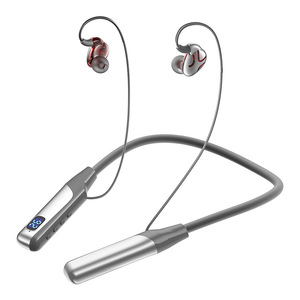
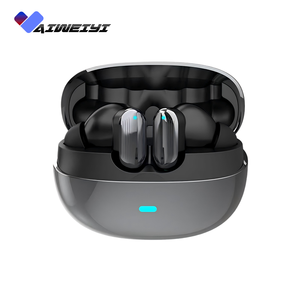
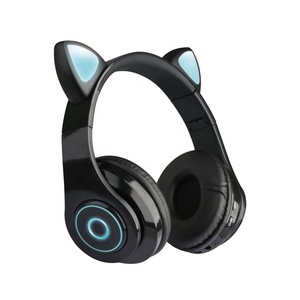
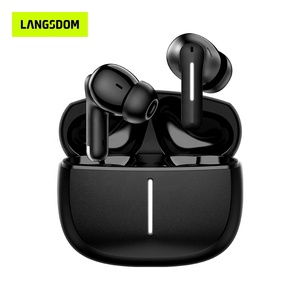
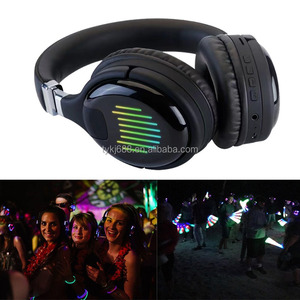
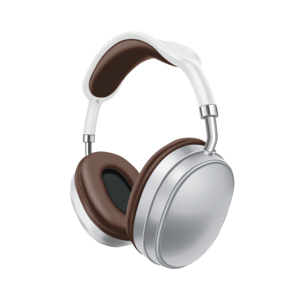
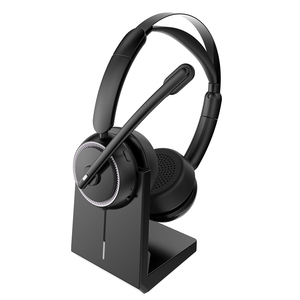
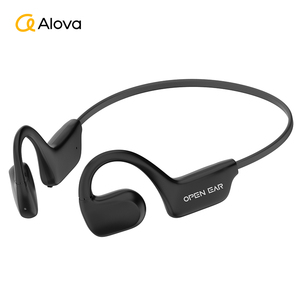
As consumer electronics markets across the European Union, North America, and the Asia-Pacific region demand stricter regulatory compliance, procuring CE certified neckband headphones has shifted from a mere transactional purchase to a critical supply-chain compliance imperative. CE certification under the Radio Equipment Directive (RED 2014/53/EU) ensures that wireless neckband earphones operate safely within assigned RF frequency bands without causing electromagnetic interference or posing acoustic risks to end-users.
Our OEM/ODM manufacturing infrastructure combines Scandinavian acoustic design principles—pioneered through decades of urban audio innovation—with Shenzhen's high-precision SMT production lines. By enforcing strict adherence to EN 50332 acoustic safety standards (protecting user hearing against excessive sound pressure levels) and EN 62368-1 electrical safety protocols, our export-grade neckbands provide international importers with complete immunity against customs seizures, product recalls, or non-compliance penalties.
Every neckband model undergoes comprehensive lab testing for EMC, LVD, RF power output, and hazardous material restriction (RoHS 2.0 & REACH 235 substances), ensuring effortless customs clearance across EU member states.
Engineered with custom dynamic drivers (10mm to 14.2mm PET/Graphene diaphragms), our acoustic curves are balanced for crystal-clear vocals, warm mids, and deep low-frequency extension without muddying the soundstage.
Operated under rigorous quality control standards (AQL 0.65 Major / 1.0 Minor), our facilities feature SoundCheck automated acoustic analyzer rigs, climate stress chambers, and flex-testing robotics.
The neckband form factor remains unmatched in battery longevity, secure fit, and acoustic stability. Here are the five key engineering shifts dominating global B2B procurement in 2025 and beyond.
Modern neckbands are transitioning from simple passive noise isolation to multi-stage Hybrid Active Noise Cancellation (ANC) utilizing feed-forward and feedback internal microphones. This architecture reduces ambient engine hum and office chatter by up to -35dB. Simultaneously, AI-driven Environmental Noise Cancellation (ENC) filters out wind pressure during outdoor sports, ensuring crystal-clear teleconferencing and phone calls.
With Bluetooth 5.3 and 5.4 SoCs (such as JL, Jerry, and Bestechnic chipsets), neckband audio now supports the Low Energy (LE) Audio standard and LC3 codec. This technological leap cuts power consumption by 40% while maintaining pristine audio resolution. For mobile gaming and video streaming, latency is compressed below 40ms, eliminating audio-visual desynchronization.
Material engineering has solved historical neckband durability challenges. Premium factories now utilize medical-grade liquid silicone rubber (LSR) that is hypoallergenic, skin-friendly, and resistant to sweat corrosion. Internal frame structures employ nickel-titanium (NiTi) shape-memory alloy wires that withstand 10,000+ extreme twist cycles without permanent deformation.
Unlike micro-TWS earbuds limited to 50mAh batteries, neckbands leverage dual-housing designs to accommodate 400mAh to 1000mAh battery reserves. This enables 50 to 100+ hours of continuous music playback. Pioneering lines are also lamination-ready for ambient indoor/outdoor solar harvesting cells (Powerfoyle technology), extending playtime virtually indefinitely during daylight usage.
For outdoor athletic safety, air conduction open-ear neckbands are rapidly displacing traditional in-ear silicone tips. By utilizing directional acoustic waveguides, sound waves are beamed precisely into the ear canal while keeping the user fully aware of ambient traffic sounds. This hybrid category has surged by 140% in Western European and North American retail channels.
When selecting a dedicated CE certified neckband headphones exporter, institutional procurement officers must evaluate suppliers beyond superficial unit prices. Total Cost of Ownership (TCO), quality assurance protocols, factory audit compliance, and after-sales RMA frameworks dictate long-term profitability.
Ensure your factory supplier provides authentic CE RED test reports issued by ISO/IEC 17025 accredited laboratories (such as SGS, TÜV Rheinland, or Intertek). Generic or self-declared certificates often fail rigorous EU market surveillance audits.
Before issuing a Purchase Order (PO) for OEM neckband headphones, demand verification of the following manufacturing metrics:
Automated SoundCheck testing must confirm left-right channel frequency response matching within ±1.5dB across the 20Hz–20kHz spectrum.
Li-ion polymer cells must feature built-in Seiko protection ICs against overcharging, short-circuiting, and thermal runaway, fully backed by UN38.3 and MSDS air transport documentation.
Enclosures must undergo true IPX5/IPX7 pressurized water immersion tests and hydrophobic nano-coating application on internal PCBA components.
Full-service OEM support including laser engraving, silk-screen printing, customized Bluetooth pairing names, custom voice prompts, and retail packaging design.
Clear answers to technical compliance, minimum order quantities (MOQ), quality control, and shipping logistics.
To legally import and sell neckband headphones in the European Union, products must comply with the Radio Equipment Directive (RED 2014/53/EU). Key mandatory sub-standards include EN 300 328 (for 2.4GHz ISM band spectrum usage), EN 301 489-1/-17 (EMC compatibility), EN 62368-1 (audio/video equipment safety), EN 50332-1/-2 (sound pressure limits to prevent hearing loss), RoHS 2.0 Directive (2011/65/EU & 2015/863), and REACH regulations. Authentic test reports from accredited NB (Notified Body) labs are required.
For neutral, ready-to-ship inventory in standard factory packaging, MOQs start as low as 100 to 500 units. For customized OEM orders featuring logo silkscreening, custom color matching (Pantone matching), customized Bluetooth pairing IDs, and custom retail gift boxes, the standard MOQ is 1,000 to 2,000 units per colorway. Tooling for complete custom housing designs (ODM) requires an initial evaluation and amortized tooling fees.
We execute a comprehensive 4-stage quality control workflow compliant with ISO9001 standards: IQC (Incoming Quality Control) tests all incoming raw materials, batteries, and chipsets; IPQC (In-Process Quality Control) monitors SMT assembly and acoustic wire soldering; FQC (Final Quality Control) conducts 100% SoundCheck frequency & THD acoustic tests on finished goods; and OQC (Out-Going Quality Control) performs randomized AQL 0.65 sampling for packaging integrity, drop tests, and high-temperature/humidity stress resistance prior to shipment.
Lithium-ion polymer batteries used in our neckbands carry independent UN38.3 transport safety test reports, MSDS (Material Safety Data Sheets), 1.2-Meter Drop Test Certifications, and IEC 62133 compliance certificates. This documentation guarantees hassle-free air freight (IATA DG regulations) and ocean freight forwarding to global ports.
Sample orders and pre-production prototypes ship within 3 to 7 business days. Mass production for standard OEM orders typically takes 25 to 30 calendar days upon receipt of deposit and artwork approval. Repeat orders can be expedited within 18 to 22 days due to pre-allocated component stocking protocols.
Elevate your consumer electronics catalog with high-margin, certified wireless audio products engineered for durability, exceptional acoustic performance, and total regulatory peace of mind. Contact our B2B sales team today for factory-direct quotes, product data sheets, and sample kits.