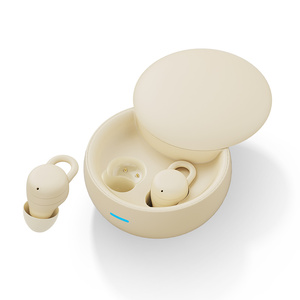
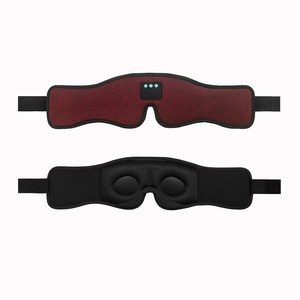
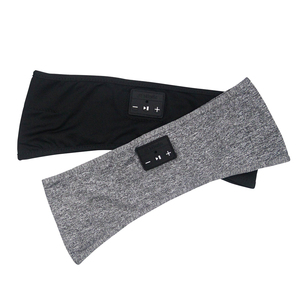
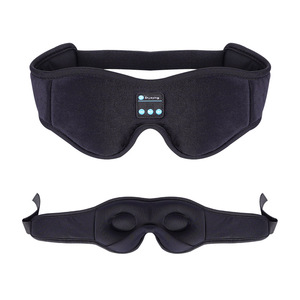
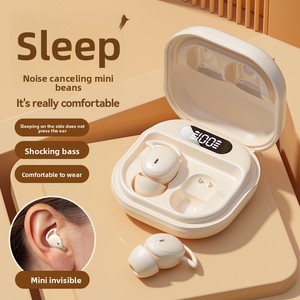
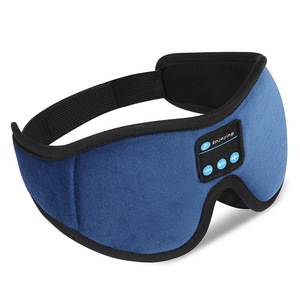
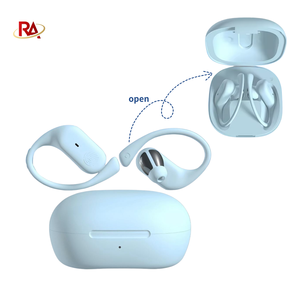
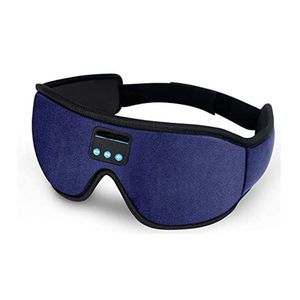
The global sleep economy has underwent a profound paradigm shift. Where sleep aid products were once dominated by simple mechanical earplugs and basic eye shades, consumer demand has aggressively gravitated toward smart acoustic sleep solutions. As a premier China sleeping headphones manufacturer and exporter, our engineering whitepaper analyzes the structural shifts shaping global B2B procurement, consumer intent mining, and acoustic technology evolution across North American, European, and Asia-Pacific markets.
Shift to Active Bio-Acoustics
Procurement is transitioning from passive noise muffling to bio-acoustic soundscapes. Modern sleep audio wearables integrate pink noise, binaural beats, and dynamic algorithmic masking to actively neutralize ambient disruptions like urban traffic and partner snoring.
Ergonomic Side-Sleeper Standards
Over 65% of global consumers identify as side-sleepers. Sourcing specifications now mandate ultra-flush profiles (<5mm driver thickness) and medical-grade liquid silicone ear-tips that prevent tragus pressure during prolonged nocturnal contact with pillows.
Eco-Certified Textiles & Safety
Distributors face strict compliance requirements. Leading OEM products feature OEKO-TEX Standard 100 certified hypoallergenic fabrics, zero electromagnetic SAR radiation signatures, and safe micro-circuitry insulated against nocturnal perspiration.
Key Sourcing Drivers for International Retailers & Brands
Analyzing search intent and Amazon/D2C purchase drivers reveals that consumers no longer view sleep headphones as mere luxury gadgets, but as daily non-pharmacological health tools. Retail chains and brand owners must align their private-label product lines with three critical procurement benchmarks:
- Acoustic Attenuation Efficiency: Passive isolation must exceed -24dB across low frequencies (100Hz–500Hz) to effectively block low-frequency noise without requiring elevated volume levels that damage long-term hearing health.
- Thermal Management & Breathability: 3D sleep masks and headbands must employ phase-change cooling fabrics or bamboo-cotton memory foam structures to dissipate heat, preventing facial sweating during REM sleep phases.
- Battery Longevity & Safe Charging Protocols: Li-ion battery modules incorporated into headwear must feature dual NTC thermistor thermal shutdown protection, supporting a minimum of 12 to 16 hours of continuous playback per charge cycle.