

Discover our enterprise-grade wireless and wired foldable headphone catalog. Precision-built by ISO9001 certified Chinese manufacturing facilities for global electronics brands, distributors, and retail syndicates.
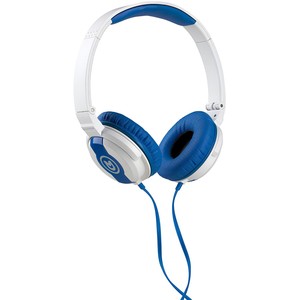
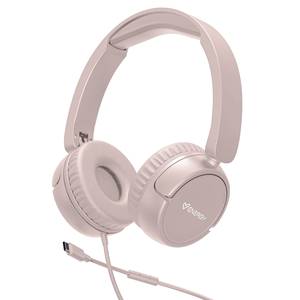
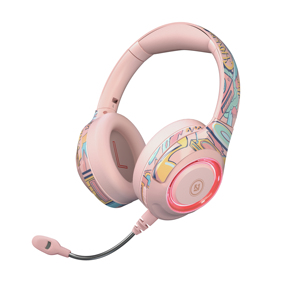
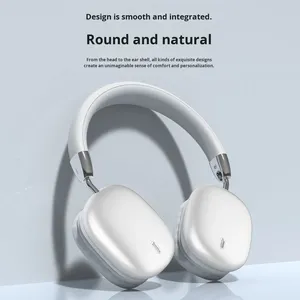
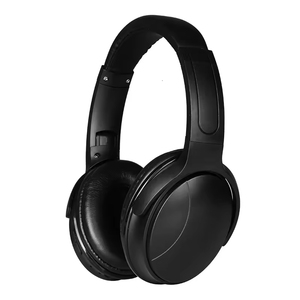
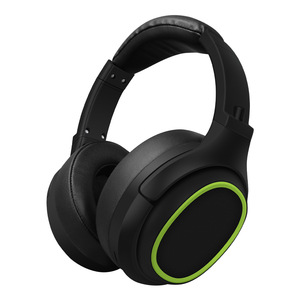
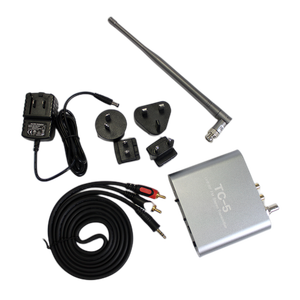
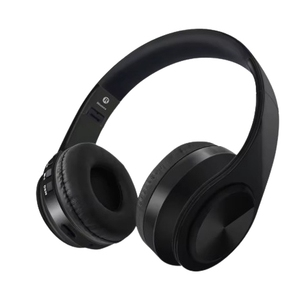
The global consumer electronics market is experiencing an unprecedented surge in demand for portable, high-fidelity audio equipment. Among the various form factors, foldable headphones have established themselves as a critical product category for urban commuters, remote professionals, audiophiles, and gamers alike. China's Pearl River Delta and Yangtze River Delta remain the world's primary manufacturing epicenters for wireless acoustics, producing over 85% of the world's foldable headphones.
This comprehensive industry whitepaper provides international procurement managers, brand owners, and electronics distributors with deep analytical insights into China's foldable headphone export ecosystem. By examining structural engineering, driver acoustics, wireless SoC integration, and supply chain management, B2B buyers can make data-driven sourcing decisions that optimize unit cost, product reliability, and time-to-market performance.
Multi-axis stainless steel and polyarylate hinges undergoing 20,000+ cycle fold testing to guarantee zero mechanical stress failure.
Frequency response curves calibrated to Harman Target Standards utilizing 40mm dynamic PET/Titanium composite membranes.
Integrated Bluetooth 5.3/5.4 enterprise chipsets (JL, BES, Qualcomm) delivering ultra-low power consumption and extended 50m RF range.
The core structural differentiator of a high-quality foldable headphone lies in its hinge mechanism. Low-cost consumer audio often suffers from plastic fatigue, headband snapping, and wire pinching over extended usage. Premium OEM suppliers in China utilize advanced metallurgical and polymer engineering to overcome these failure modes.
1. Polycarbonate-ABS Composite Blends (PC-ABS): Combines the tensile strength of polycarbonate with the impact resistance of ABS. Used in outer earcups and band shells to maintain structural integrity across extreme temperature ranges (-20°C to 60°C).
2. Manganese Steel Spring Bands: Embedded within the headband structure to supply consistent clamping force (3.5N to 4.5N). This ensures passive noise isolation without causing temporal fatigue during long wearing sessions.
3. Zinc Alloy & Aluminum Powder Metallurgy Hinges: High-end models (such as ANC studio foldable headphones) incorporate precision-molded metal hinges. These components undergo 20,000 continuous rotational fold tests under automated robotic arms to ensure long-term durability for frequent travelers.
4. Internal Flex-Cable Shielding: The wiring passing through the folding joints is protected by high-flexibility Kevlar-reinforced TPE sleeving, preventing conductor shearing during fold cycles.
Acoustic performance in foldable enclosures requires specialized tuning due to the reduced internal air volume of collapsible earcups. Leading Chinese factories utilize computer-aided finite element analysis (FEA) to design rear acoustic chambers that yield natural bass expansion and precise high-frequency transient response.
Most commercial foldable headphones employ dynamic transducers ranging from 30mm to 40mm in diameter. The driver diaphragm material directly dictates sound reproduction characteristics:
Mylar/PET Diaphragms: Highly cost-effective with crisp trebles, ideal for promotional, corporate, and educational corded headphones (e.g., 3.5mm interface models).
Titanium-Coated Polymer Films: Enhances diaphragm stiffness, reducing Total Harmonic Distortion (THD < 1% at 1kHz). This creates tight, punchy low-end response necessary for modern electronic music and gaming headsets.
Active Noise Cancellation has transitioned from a premium luxury to a baseline consumer expectation. Modern Chinese foldable headphone manufacturers integrate hybrid feed-forward (FF) and feedback (FB) ANC systems utilizing dual-microphone arrays per earcup:
Feed-Forward Microphones: Positioned on the exterior earcup shell to capture ambient environmental sound (traffic hum, jet engine roar) before it reaches the listener's ear canal.
Feedback Microphones: Located inside the earcup buffer to monitor the acoustic output post-passive isolation, providing real-time anti-phase correction signal calculation.
Combined with specialized Digital Signal Processors (DSP), these systems achieve active noise reduction depth between -25dB and -38dB across the critical 50Hz to 1kHz frequency spectrum.
When selecting a Chinese factory partner for foldable headphones, overseas procurement directors must evaluate manufacturing capabilities beyond mere unit cost. A robust OEM/ODM partner offers end-to-end engineering support, stringent quality control protocols, and full regulatory compliance documentation.
In-house CNC mold-making capabilities allowing custom headband contours, unique logo engraving, and private label CMF (Color, Material, Finish) execution within 25 business days.
Comprehensive inline testing: Bluetooth RF power measurement, acoustic sweep testing (Audio Precision APx515), battery burn-in cycles, and drop-impact simulation.
Full international regulatory readiness including CE, FCC, RoHS, REACH, KC, TELEC, UN38.3 (Lithium Battery Air Transport), and MSDS safety validation.
The foldable headphone sector is advancing rapidly toward smarter, more sustainable, and energy-efficient paradigms. Forward-thinking procurement teams must align with manufacturing suppliers actively investing in the following technological vector trends:
A. Solar & Ambient Light Energy Harvesting: Integrating flexible solar cell materials (such as Powerfoyle technology) into the outer curve of the foldable headband. This enables continuous trickle charging under both indoor ambient lighting and direct sunlight, drastically extending battery endurance and reducing reliance on grid electricity.
B. Bluetooth 5.4 and LE Audio (LC3 Codec): Next-generation Bluetooth standards replace legacy SBC codecs with Low Complexity Communication Codec (LC3). LE Audio provides higher sound quality at 50% lower bitrates, allowing smaller, lighter batteries in foldable frames without sacrificing playtime.
C. Sustainable Bio-Plastics & Recycled Aluminum: Regulatory mandates (such as the EU Corporate Sustainability Due Diligence Directive) are compelling brands to transition to Post-Consumer Recycled (PCR) plastics for headphone earcups and headbands. Top-tier Chinese exporters now offer GRS-certified (Global Recycled Standard) supply chains.
Essential insights for global B2B buyers, importers, and brand procurement executives.
For standard stock colorways with silk-screen logo customization, MOQs typically range from 500 to 1,000 units per batch. For full OEM project customization (custom Pantone housing color, bespoke retail packaging, custom audio firmware tuning, and customized PCB design), the industry standard MOQ is 2,000 to 3,000 units.
Reputable factories utilize a multi-layered quality assurance protocol. First, outer structural parts employ PC+ABS virgin raw plastic rather than recycled regrind materials. Second, stainless steel reinforcement bands or zinc-alloy pivot pins are integrated into stress points. Finally, batch samples undergo automated pneumatic folding endurance testing (15,000 to 25,000 continuous cycles) prior to mass assembly approval.
Yes. Acoustic engineers utilize software tools paired with Audio Precision (AP) sound analyzer systems to flash customized EQ firmware directly onto the Bluetooth IC (JL, BES, or Realtek chipsets). Whether your brand targets extra bass response for sports or flat studio reference curves for e-learning, custom DSP parameters can be locked into factory production runs.
All integrated lithium-polymer batteries used in our foldable wireless headphones undergo UN38.3 testing, MSDS reporting, and IEC62133 safety certification. We also provide official Air and Sea Freight Transport Safety Declarations to guarantee hassle-free customs clearance in North America, Europe, Japan, and Australia.
For initial OEM orders requiring custom tooling, sample approval takes approximately 10 to 14 days, followed by 30 to 35 days for mass production. Repeat orders with finalized artwork artwork and existing tooling typically ship within 20 to 25 days FOB Shenzhen, Ningbo, or Guangzhou ports.
Connect with our senior OEM/ODM audio engineering team to request factory pricing, engineering data sheets, or custom product prototyping.