

Explore our turnkey acoustics catalog engineered for private-label brands, global distributors, and enterprise buyers requiring custom tooling, specialized chipsets, and certified IPX durability.
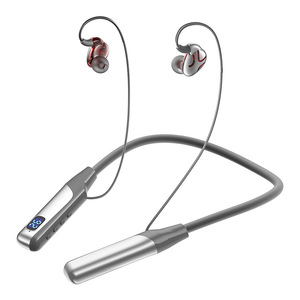
Ergonomic flexible neckband engineered with high-capacity lithium battery reserve, active noise cancellation, and seamless cross-platform pairing for iOS/Android/Huawei environments.
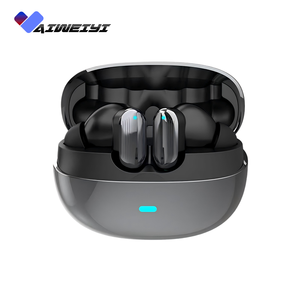
Next-gen Bluetooth 6.0 architecture featuring IPX5 waterproof sealing, custom logo laser-engraving, deep bass dynamic acoustic chambers, and ultra-low power consumption.
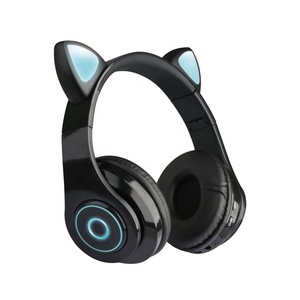
Customizable lifestyle over-ear platform with hybrid ANC, synchronized dynamic RGB lighting, IPX4 splash protection, and volume-limiting safety drivers for youth/gaming segments.
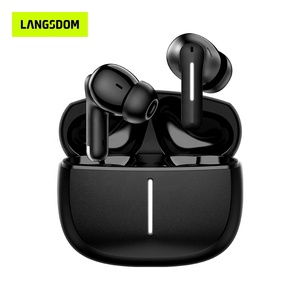
JL Audio Chipset platform delivering deep bass resonance, feed-forward ANC micro-arrays, custom silk-screen branding options, and specialized 40ms low-latency gaming mode.
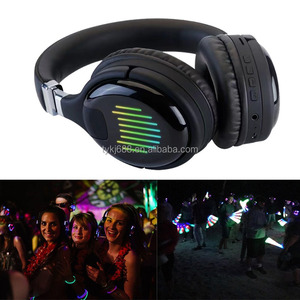
Multi-channel RF transmission architecture supporting 500-meter line-of-sight signal integrity, LED channel indicators, and multi-unit pack configurations for commercial events.
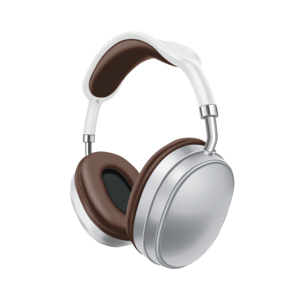
Acoustically tuned memory-foam over-ear design featuring wideband hybrid Active Noise Cancellation, fold-flat travel hinges, and 45-hour continuous playback capability.
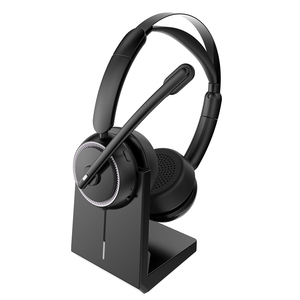
Dual-beamforming ENC microphone arrays optimized for voice isolation in noisy urban environments, combined with high-compliance dynamic composite diaphragm speakers.
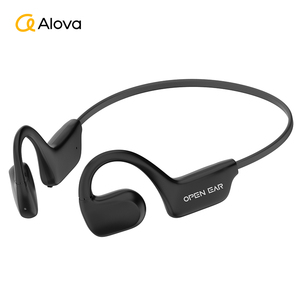
Situational awareness open-ear design utilizing directional audio air conduction technology, lightweight titanium alloy headband core, and sweatproof IPX5 coating.
Navigating the global consumer audio supply chain requires rigorous technical auditing, deep component-level analysis, and a clear understanding of modern acoustic engineering standards. As brands expand their portfolios into True Wireless Stereo (TWS), Active Noise Cancellation (ANC) headsets, and specialized open-ear air-conduction platforms, partner factories must be evaluated not merely on unit cost, but on systemic engineering competence, firmware customization agility, and Quality Assurance (QA) repeatability.
Modern Bluetooth earbuds are compact electro-acoustic micro-systems integrating high-density PCB layouts, multi-microphone arrays, energy-dense lithium polymer cells, and sophisticated System-on-Chip (SoC) architectures. Selecting an qualified OEM/ODM partner demands scrutiny across four critical engineering vectors:
Evaluation of chipset silicon (Qualcomm, JL/Jieli, Realtek, Airoha). Audit of RF transmission stability, power consumption curves (mA/hr), latency benchmarks (ms), and multi-point handover protocols.
Dynamic driver membrane tuning (Titanium, PEEK, Graphene), harmonic distortion (THD < 1% at 1kHz), rear chamber volume calibration, and anatomical ear-seal optimization.
Feedforward, feedback, and hybrid microphone topologies. DSP anti-noise algorithm tuning capable of -28dB to -45dB low-frequency acoustic attenuation.
To assist procurement directors and audio product managers in defining BOM (Bill of Materials) targets, the comparison matrix below outlines the industry standards across primary Bluetooth chipsets currently deployed by tier-1 OEM manufacturers:
| Chipset Platform | Target Tier | Bluetooth Ver. | ANC Performance | Latency (Game Mode) | Power Drain |
|---|---|---|---|---|---|
| JL (Jieli) AC700N Series | Entry / Mass Market | BT 5.3 / 5.4 | FF ANC (-22dB to -25dB) | 60ms - 80ms | ~6.5mA - 8mA |
| Realtek RTL8773 Series | Mid-Tier Commercial | BT 5.3 | Hybrid ANC (-32dB to -38dB) | 45ms - 60ms | ~5.0mA - 6.5mA |
| Airoha AB1562 / AB1565 | High Performance | BT 5.3 / LE Audio | Adaptive ANC (-38dB to -42dB) | 35ms - 50ms | ~4.5mA - 5.5mA |
| Qualcomm QCC3071 / QCC5171 | Enterprise Premium | BT 5.3 / 6.0 Ready | Snapdragon Sound Adaptive ANC (-45dB) | < 30ms (aptX Adaptive) | ~4.0mA - 4.8mA |
The consumer audio market is experiencing a structural paradigm shift driven by technological convergence, green energy integration, and evolving user ergonomics. Brands seeking to capture market share over the next decade must align their procurement strategies with five macro technological trends currently shaping factory R&D investment:
As pioneered in Scandinavian lifestyle audio platforms, the integration of ultra-thin, flexible solar cell materials (such as Powerfoyle solar technology) directly into earbud charging case lids, neckbands, and over-ear headbands represents a transformative market evolution. Solar-powered self-charging devices convert ambient indoor light (office fluorescent/LED) and outdoor natural sunlight into continuous micro-charging current. This drastically reduces plugin wall charging cycles, extends overall battery lifespan, and provides a compelling ESG sustainability narrative for eco-conscious global consumers.
While traditional in-ear silicone tips dominate noise isolation categories, open-ear acoustics (leveraging directional air conduction and bone conduction dynamic drivers) are growing exponentially. Driven by remote work multi-tasking, urban commuting safety, and active outdoor fitness, buyers are prioritizing factories with specialized acoustic chamber tooling that minimizes sound leakage while maximizing low-frequency bass punch without occluding the ear canal.
Bluetooth Low Energy (LE) Audio and the mandatory LC3 (Low Complexity Communication Codec) are superseding legacy SBC/AAC standards. LC3 delivers superior sound quality at half the data rate, directly cutting power draw and allowing smaller physical battery footprints. Crucially, factory implementation of Auracast™ broadcast audio enables a single transmitter (e.g., in airport lounges, gyms, or conference centers) to broadcast audio simultaneously to an unlimited number of nearby TWS earbuds.
The boundary between consumer music listening and remote professional communication has blurred. Modern procurement specs demand minimum dual-microphone arrays per earbud (Feedforward mic + Talk mic) running Deep Neural Network (DNN) Environmental Noise Cancellation (ENC). Factories must provide algorithmic noise suppression capable of filtering out 35dB+ of ambient wind noise, street traffic, and open-office chatter during voice calls.
Global regulatory pressure (such as EU Ecodesign directives) is accelerating the adoption of Post-Consumer Recycled (PCR) plastics, ocean-bound plastic housing compounds, and plastic-free soy-ink packaging. Leading OEM suppliers are redesigning interior battery cradles to move away from heavy adhesive glues toward mechanical fasteners, enabling localized battery recycling and lower carbon footprint manufacturing cycles.
When submitting Request for Quotations (RFQs) for 2025/2026 product roadmaps, always specify PCR material percentage targets (e.g., 35% to 75% PCR ABS) and request factory LCA (Life Cycle Assessment) data sheets upfront to satisfy retail compliance audits in North America and Western Europe.
With over a decade of electro-acoustic manufacturing heritage, our partner production facility bridges Scandinavian industrial design precision with high-capacity Shenzhen electronic manufacturing efficiency. Operating as a vertically integrated OEM/ODM hub, our infrastructure is built to support global brand owners from initial sketch concept to mass retail shelf deployment.
Dedicated precision mold-making shop equipped with High-Speed CNC milling, EDM spark machines, and 45 automatic plastic injection presses ensuring tight mechanical tolerances (<0.02mm) for seamless IPX7 waterproofing.
12 automated Yamaha & FUJI Surface Mount Technology (SMT) lines capable of mounting 0201 micro-components, Bluetooth SoCs, MEMS microphones, and multi-layer PCBA boards under strict ESD controls.
Full-chain quality validation utilizing SoundCheck acoustic measurement rigs, AP (Audio Precision) signal analyzers, RF Anechoic Chambers, salt-spray corrosion cabinets, and automated drop test towers.
Our operational model provides complete transparency and turnkey support for private-label brands, corporate gifting distributors, and established electronics retailers across 60+ countries:
Key operational, technical, and commercial answers for enterprise buyers and sourcing managers.
Connect directly with our senior OEM/ODM project engineering team. Request full technical datasheets, factory audit reports, BOM quotations, or physical sample evaluation kits today.