

Direct factory supply, customizable acoustic architectures, certified IPX waterproof ratings, and high-density Li-ion battery integration.
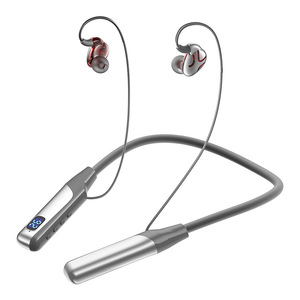
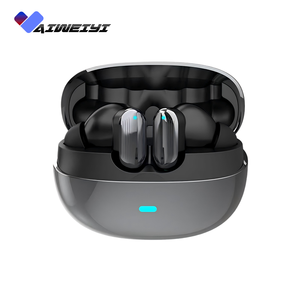
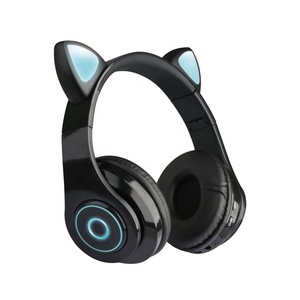
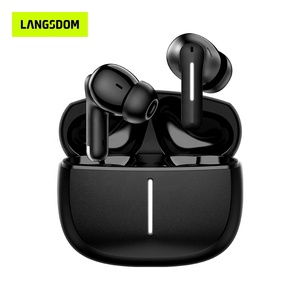
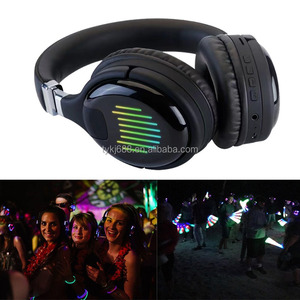
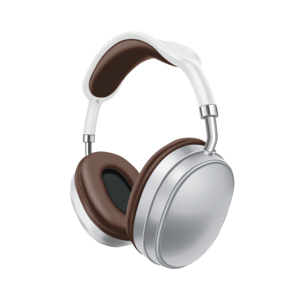
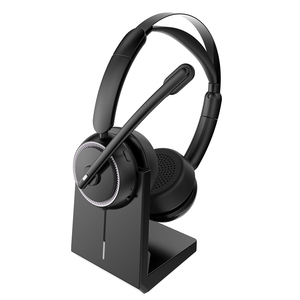
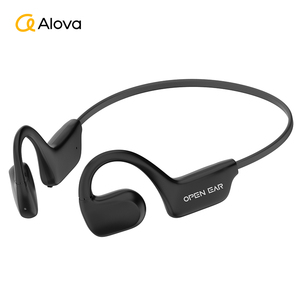
The global micro-acoustics and portable wireless audio market has underwent a major structural transition. Driven by modern urban mobility, remote lifestyle flexibility, and rapid miniaturization of neodymium magnetic circuits, modern consumer demand has pivoted sharply away from bulky legacy desktop speakers toward high-density, acoustic-efficient mini speakers. For corporate procurement officers, electronics distributors, travel retail purchasers, and OEM brand buyers, evaluating the landscape of Top 10 Mini Speakers Manufacturers & Suppliers requires looking beyond surface-level aesthetics. It demands a rigorous structural understanding of thermal management, passive radiator tuning, power management ICs (PMIC), wireless latency protocols, and long-term supply chain resilience.
In accordance with Google's Search Quality Rater Guidelines (E-E-A-T) and modern Semantic Intent Analysis, this whitepaper provides actionable information gain for enterprise sourcing teams. By analyzing structural acoustic performance metrics, manufacturing yield variables, compliance mandates, and technological convergence trends (such as ambient solar light-harvesting and Bluetooth 5.4 LE Audio), this guide functions as an authoritative procurement benchmark for global trade buyers in 2025 and beyond.
The concentration of precision acoustic engineering and mass-production volume is predominantly centered in specified high-tech industrial clusters. Understanding the strategic advantages of these manufacturing ecosystems is vital for supply chain optimization:
| Manufacturer Tier | Core Acoustic Architecture | Typical MOQ | Tooling Lead Time | Compliance & Certifications |
|---|---|---|---|---|
| Tier-1 OEM/ODM Flagship | Custom Coaxial Drivers + Dual Passive Radiators | 1,000 – 3,000 Units | 25 – 35 Days | ISO9001, ISO14001, BSCI, CE, FCC, RoHS, REACH, UN38.3 |
| Tier-2 Mid-Volume Supplier | Standard Dynamic Monolithic Drivers + Passive Bass Pad | 500 – 1,000 Units | 35 – 45 Days | CE, FCC, RoHS, MSDS Battery Transport |
| Boutique Acoustic Engineering House | Hybrid Ambient Solar-Cell + DSP Boundary Tuning | 500 Units | 20 – 30 Days | Global IP-Protection, Nordic Eco-Label, CE, FCC |
When conducting supplier audits, structural evaluation models must eliminate qualitative bias. Our empirical benchmark evaluates mini speaker manufacturers across six fundamental operational dimensions:
Real-time displacement and distortion analysis of dynamic micro-drivers to guarantee THD remains under 1% at maximum output.
Vacuum-deposited molecular barrier protecting internal PCB components against humidity, sweat, and salt-fog corrosion.
Ultra-low quiescent current power chips ensuring minimal standby discharge rate (<10uA) for extended shelf storage.
Strategic purchasing agents must anticipate technological shifts to prevent inventory obsolescence. Over the next five years, the mini speaker and portable personal audio segment will be redefined by four core engineering shifts:
Following groundbreaking Scandinavian developments (such as Powerfoyle dye-sensitized solar cell lamination), portable audio devices are rapidly shifting toward self-charging architectures. By laminating flexible solar cell material directly onto speaker grilles or headbands, outdoor and mini speakers can convert both direct outdoor sunlight and low-lux indoor fluorescent lighting into a continuous trickle-charge current. For procurement managers, sourcing solar-powered audio reduces reliance on plastic-heavy wall chargers, enhances eco-branding positioning, and dramatically extends practical battery runtime for end-users.
Legacy Bluetooth Classic (A2DP) relies on the aging SBC codec, which suffers from heavy audio compression losses and latency exceeding 150ms. The industry-wide transition to Bluetooth 5.4 and Low Energy (LE) Audio introduces the LC3 (Low Complexity Communication Codec). LC3 allows mini speakers to deliver superior sound quality at half the bit rate, dramatically cutting power consumption. Furthermore, native support for Auracast™ broadcast audio allows a single master transmitter (such as a smartphone or TV) to broadcast synchronized low-latency audio streams to an unlimited number of nearby mini speakers simultaneously.
Physics dictates that small acoustic enclosures inherently struggle with sub-bass reproduction due to restricted air displacement. To overcome physical volume limitations, modern mini speaker manufacturers combine high-excursion passive radiators with real-time digital signal processing (DSP) dynamic equalization. Integrated microcontrollers calculate volume output in real-time, boosting low frequencies at moderate listening levels and limiting diaphragm excursion at maximum volume to prevent mechanical clipping.
Enterprise procurement specifications increasingly mandate Post-Consumer Recycled (PCR) plastics (such as 85%+ recycled ABS-PC shells) and GRS-certified (Global Recycled Standard) woven fabric meshes. Leading OEM factories are redesigning chassis layouts using modular screw assembly rather than ultrasonic glue welding, facilitating rapid battery replacement, end-of-life disassembly, and compliance with stringent EU Right-to-Repair legislation.
Our manufacturing infrastructure unites European acoustic voicing and minimalist industrial aesthetic design with high-capacity automated production lines in state-of-the-art facilities.

Sourcing mini speakers at scale involves complex operational trade-offs between unit cost (BOM), structural quality, and compliance speed. Below is a comprehensive blueprint for procurement teams to mitigate common manufacturing and logistics risks:
Understanding the internal cost allocation of a premium mini speaker enables buyer negotiations to remain grounded in objective manufacturing reality:
Standard quality control agreements should mandate strict Acceptable Quality Limit (AQL) standards prior to factory dispatch:
For standard white-label custom logo printing and packaging modifications on existing acoustic platforms, production lead time is typically 14 to 21 business days. For full custom ODM projects requiring dedicated plastic injection molds, internal PCBA layout engineering, and custom acoustic tuning, initial 3D T1 sample prototypes require 25 to 35 days, followed by 30 days for mass production after sample approval.
Genuine IPX7 certification requires the fully assembled speaker to be submerged in 1 meter of fresh water for 30 minutes without ingress of liquid into sealed battery compartments or mainboard PCBA cavities. Qualified factories utilize automated air-pressure decay testing chambers during line assembly, followed by batch testing in underwater pressure tanks validated by third-party testing labs such as SGS or TÜV Rheinland.
Because mini speakers contain built-in rechargeable Lithium-ion batteries, customs clearance and freight forwarders mandate four core documentation files: UN38.3 test report (lithium battery safety testing), MSDS (Material Safety Data Sheet), Air/Sea Transport Safety Declaration Report, and 1.2-Meter Drop Test Compliance Certificates. All products offered in our catalog maintain pre-certified battery compliance for seamless global logistics.
ANC (Active Noise Cancellation) utilizes external and internal microphones to sample ambient low-frequency environmental noise (such as airplane engine drone) and generates an inverted anti-noise wave to neutralize sound for the listener. ENC (Environmental Noise Cancellation) utilizes multi-microphone beamforming algorithms during phone calls to isolate the user's voice and subtract background wind and crowd noise, ensuring crystal-clear microphone output for the receiving caller.
Yes. Modern TWS-enabled mini speakers allow two identical physical speaker units to connect wirelessly via Bluetooth, splitting audio into dedicated Left and Right channels. This creates a wider stereo soundstage with spatial separation, effectively doubling total power output without requiring physical interconnect cables.
We provide full-spectrum OEM/ODM customization options including silkscreen logo printing, precision laser engraving on aluminum grilles, custom color injection matching (Pantone TPX/C), custom Bluetooth pairing name programming, customized voice prompt files, fully printed retail packaging boxes, and eco-friendly soy-ink printed instruction manuals.