

Engineered for global consumer electronics brands, enterprise call centers, and premium lifestyle audio distributors. Full custom tooling, chipset integration, and private labeling available.
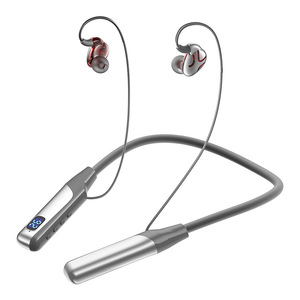
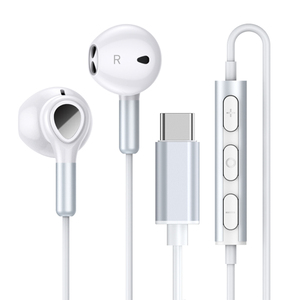

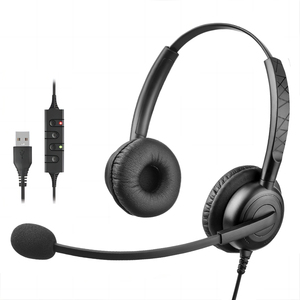
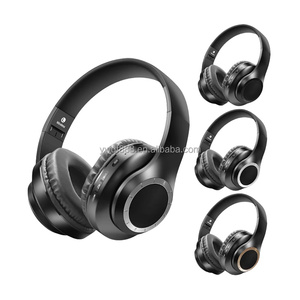
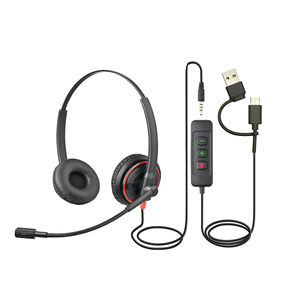
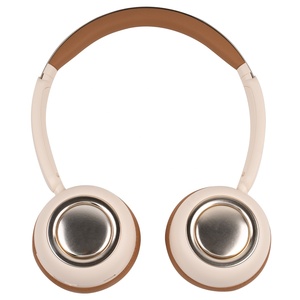
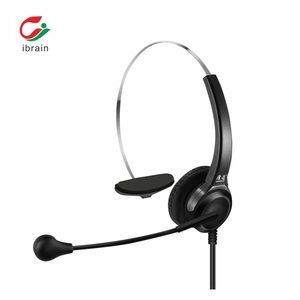
The global demand for high-performance audio hardware—specifically Active Noise Cancellation (ANC) headphones, Environmental Noise Cancellation (ENC) communications headsets, and true wireless stereo (TWS) earbuds—has prompted enterprise procurement executives to re-evaluate their Chinese OEM/ODM supplier networks. Modern procurement requires moving past simple price-per-unit comparisons to conduct rigorous technical audits of acoustic engineering capabilities, Digital Signal Processor (DSP) tuning proficiency, and quality assurance frameworks.
Leading Chinese acoustic exporters located in specialized manufacturing hubs like Shenzhen, Dongguan, and Guangzhou have evolved from basic contract assemblers into full-stack acoustic R&D partners. These facilities integrate state-of-the-art anechoic testing chambers, automated surface-mount technology (SMT) lines, and advanced acoustic simulation software (such as SoundCheck and COMSOL Multiphysics) to deliver acoustics that rival premier European and American audio houses.
When evaluating prospective manufacturing partners in China for custom headphone development, procurement teams should benchmark factory capabilities against the following technical criteria:
| Technical Architecture | Standard OEM Specification | Advanced ODM Tier (Flagship) | Validation Protocol |
|---|---|---|---|
| ANC Topology | Single Feed-Forward (25dB–30dB) | Hybrid Adaptive ANC (42dB–48dB) | APx555 Audio Analyzer + Head Simulator |
| Bluetooth Chipset | Jieli / JL 5.3 Series | Qualcomm QCC3056 / BES2500 / Realtek | RF Conducted & Radiated Performance Test |
| Driver Diaphragm | 10mm PET Dynamic Driver | 40mm Titanium / DLC / Graphene Composite | Laser Doppler Vibrometry |
| Microphone Array | 2-Mic ECM Noise Cancellation | 4-Mic / 6-Mic MEMS + AI Neural ENC | Anechoic Wind-Tunnel Noise Chamber |
| Battery Architecture | Standard Li-Po Battery (300mAh) | Fast-Charge High-Density Cell + Powerfoyle Solar | UN38.3, IEC62133 Thermal Shock Safety |
Anticipating technological convergence, regulatory directives, and consumer shifts transforming the B2B audio supply chain over the next five years.
Leading exporters are integrating flexible Powerfoyle solar cell materials into headphone headbands. This engineering integration enables continuous battery topping from both natural outdoor sunlight and artificial indoor lighting, dramatically extending operational battery life and reducing lithium-ion degradation over the product lifecycle.
The shift toward Bluetooth Low Energy (LE) Audio and LC3 codec integration is standardizing across Chinese assembly lines. B2B buyers must source chipsets capable of supporting Auracast™, enabling multi-stream audio sharing, reduced audio latency (<20ms), and lowered power consumption by up to 50%.
With stringent European Union sustainability mandates (such as the EU Battery Regulation and eco-design standards), tier-1 exporters are adopting Post-Consumer Recycled (PCR) plastics, bio-based silicone ear-tips, and 100% plastic-free unbleached packaging to ensure full compliance across international trade borders.
The technical sophistication of China’s headphone exporters has expanded rapidly. Modern acoustic design is no longer confined to passive ear-cup isolation; it relies on complex DSP algorithms running on specialized SoC (System-on-Chip) microcontrollers. Understanding these developments allows procurement directors to negotiate better product specifications and ensure optimal end-user satisfaction.
Conventional ANC systems utilize static filter coefficients designed for specific sound environments (e.g., airplane cabin low-frequency rumble). In contrast, modern Adaptive ANC continuously monitors ambient sound via external feed-forward MEMS microphones while simultaneously sampling internal ear-canal resonance via feedback microphones. The DSP recalculates anti-noise signal waves thousands of times per second, dynamically adjusting for headband clamp pressure, user spectacles, or ear-tip seal variance.
Enterprise headsets designed for call centers and remote work environments now deploy Deep Neural Network (DNN) voice extraction algorithms. Trained on tens of thousands of hours of acoustic noise samples, these algorithms separate human speech frequencies from background chatter, keyboard clicks, and wind noise, delivering crisp voice clarity across unified communication platforms (Microsoft Teams, Zoom, Cisco Webex).
Immersive spatial audio is transitioning from premium consumer electronics to mainstream OEM product lines. Top Chinese factories are integrating 6-axis Inertial Measurement Units (IMUs)—combining gyroscopes and accelerometers—into headphone PCBs to track head rotation in real time, rendering a fixed 360-degree soundstage ideal for gaming, movies, and virtual conference spaces.
How our factory group merges Nordic minimalist industrial design and human-centric ergonomics with China's unmatched electronics supply chain agility.
Every production run undergoes multi-stage automated inspection. From SMT component optical inspection (AOI) to 100% audio analyzer frequency-response testing, drop testing, and sweat-corrosion testing, our QA protocols ensure zero defect delivery to global distribution hubs.
Our engineering team provides comprehensive support across Industrial Design (ID), Mechanical Engineering (MD), Printed Circuit Board Assembly (PCBA), and custom acoustic enclosure tuning. We accelerate product launch timelines from initial concept render to mass production within 60 to 90 days.
Addressing critical questions regarding factory certification, OEM minimum order quantities, compliance documentation, and tooling workflows.
Connect directly with our senior acoustic engineering team and international B2B procurement managers to request instant factory-direct pricing, custom OEM samples, or full technical specifications.